The project
Artificial nests that support conservation.
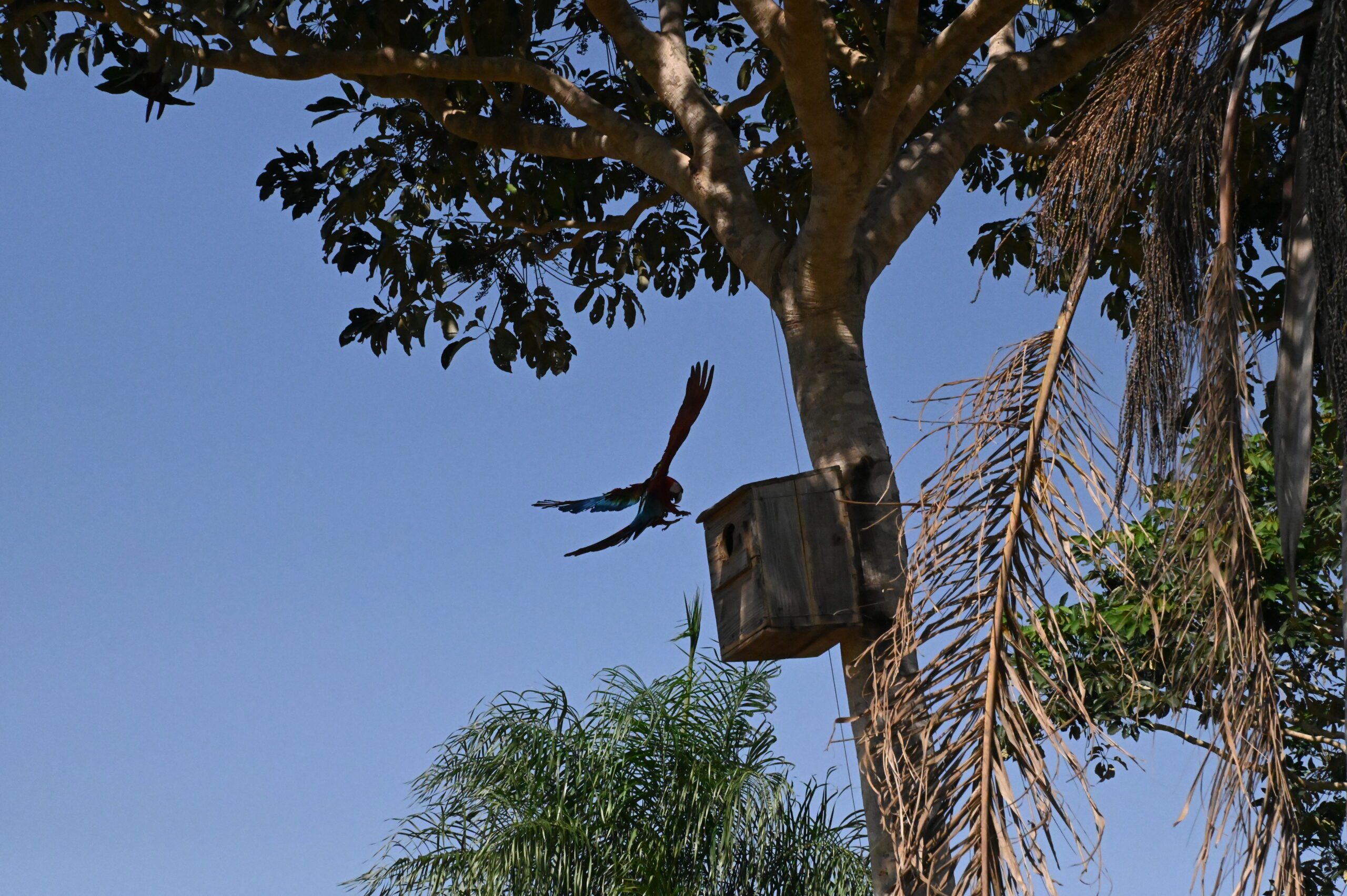
Artificial nests help generate knowledge about bird reproduction and assess new tools for their conservation in the region.
At Fazenda Santuário in Bonito, Mato Grosso do Sul, the initiative combines protected land, management, research, and environmental awareness to strengthen the conservation of native birds.
The challenge
The impact of wildlife trafficking continues even after the animal is removed.
Bird conservation requires research, enforcement, environmental education, and management tools.
Wild bird chicks and eggs are taken from nests to supply the illegal trade.
During nest raiding, natural cavities may be damaged or completely destroyed.
The loss of nesting sites reduces the number of places available for breeding pairs in future seasons.
Responding to this threat requires field monitoring, management, awareness, and wildlife protection.
How it works
From construction to field monitoring.
Construction
The artificial nests follow a model used by local partners.
Installation
The structures are installed in selected, protected areas, creating new nesting opportunities for birds.
Monitoring
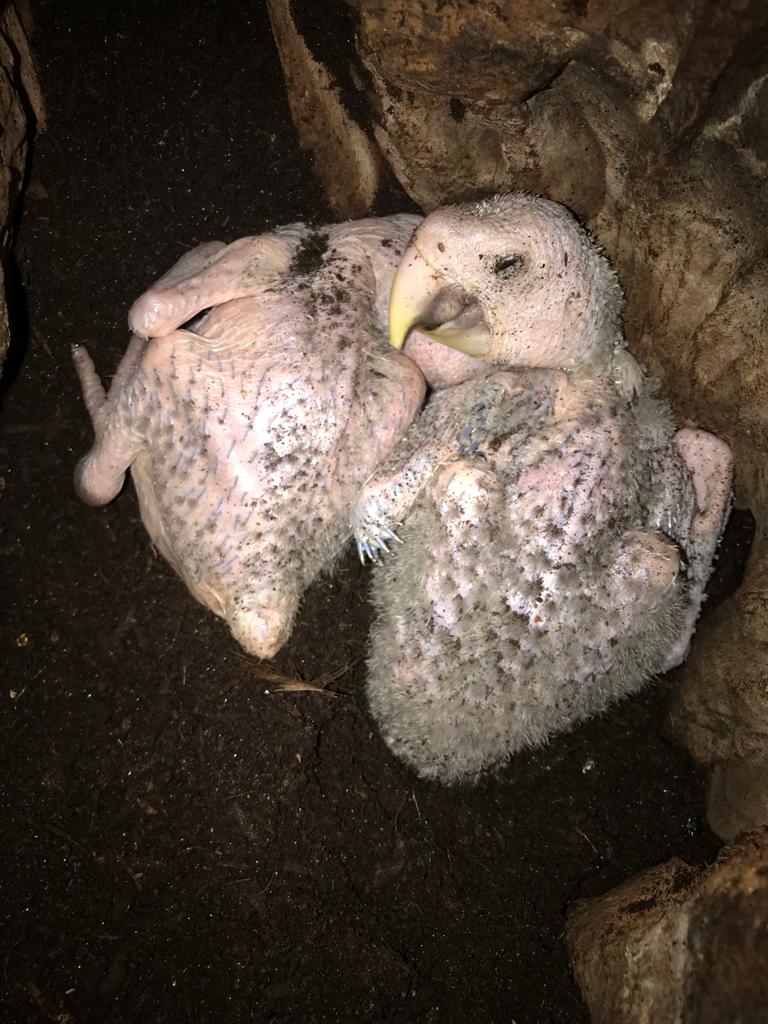
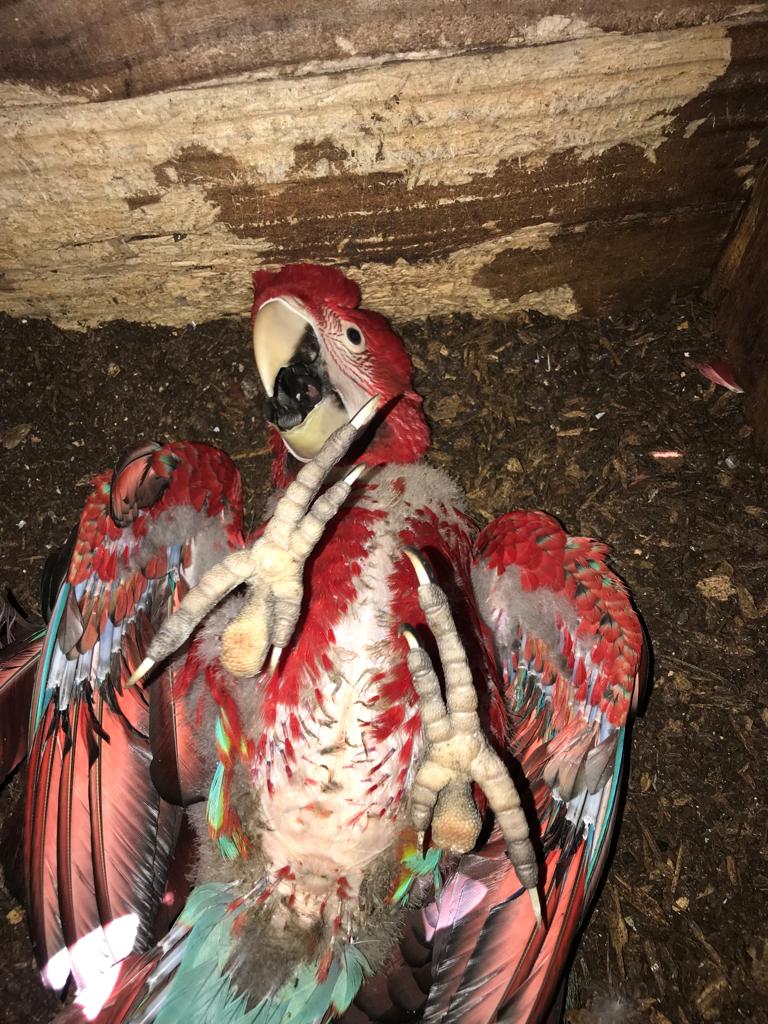
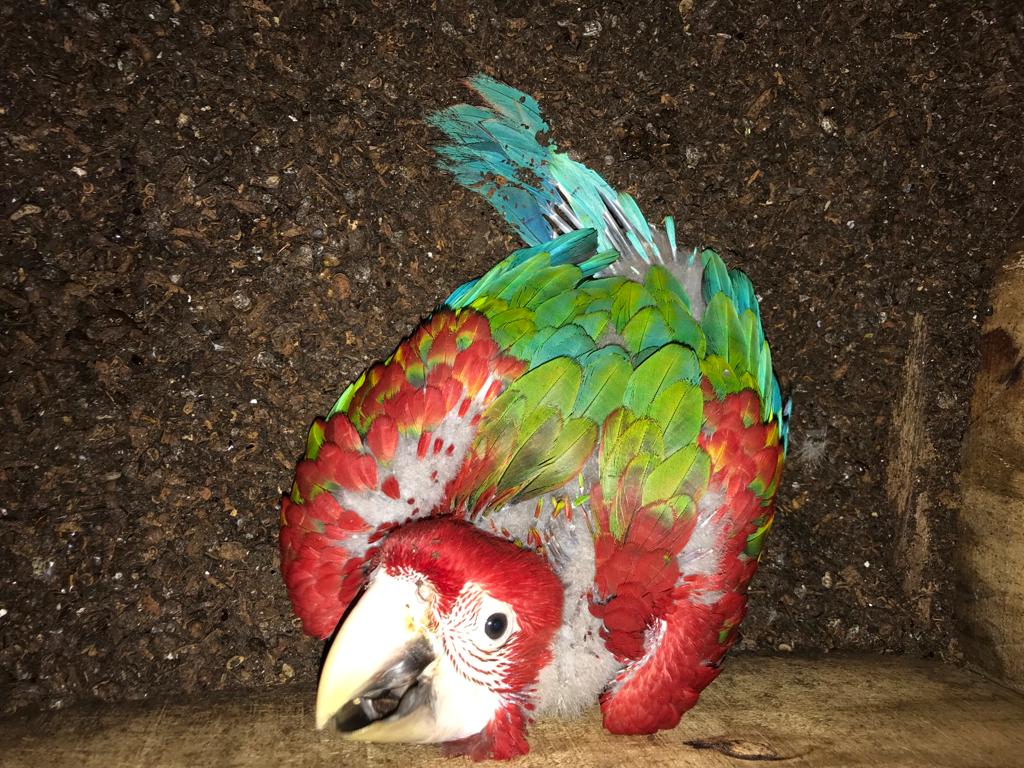
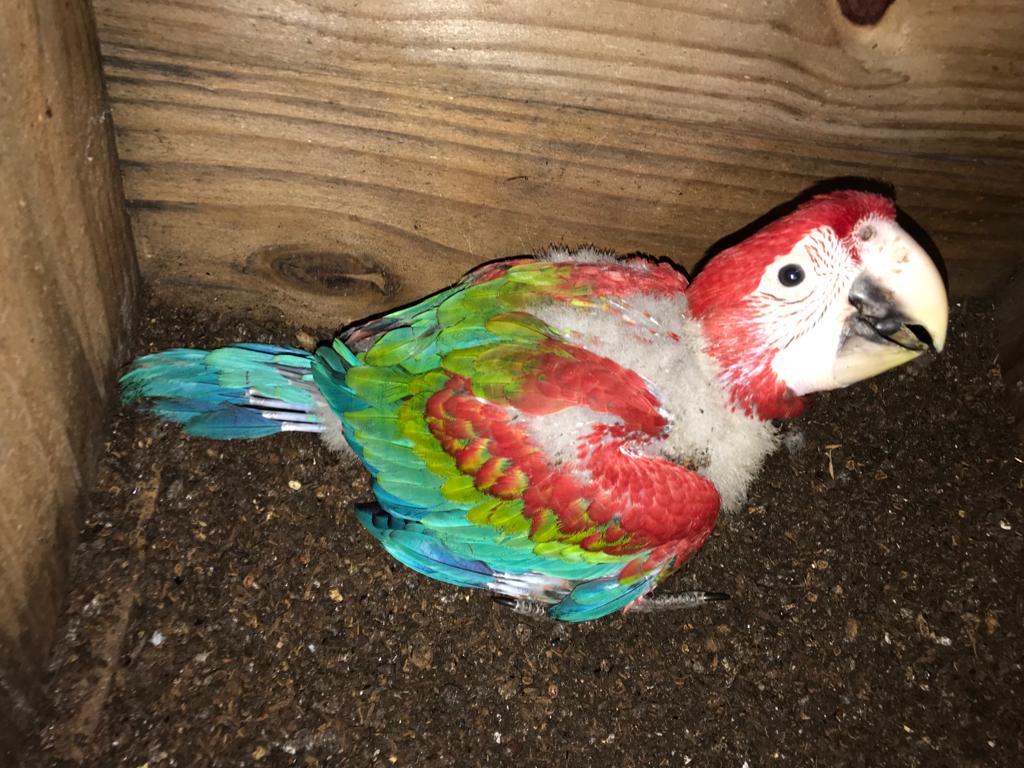
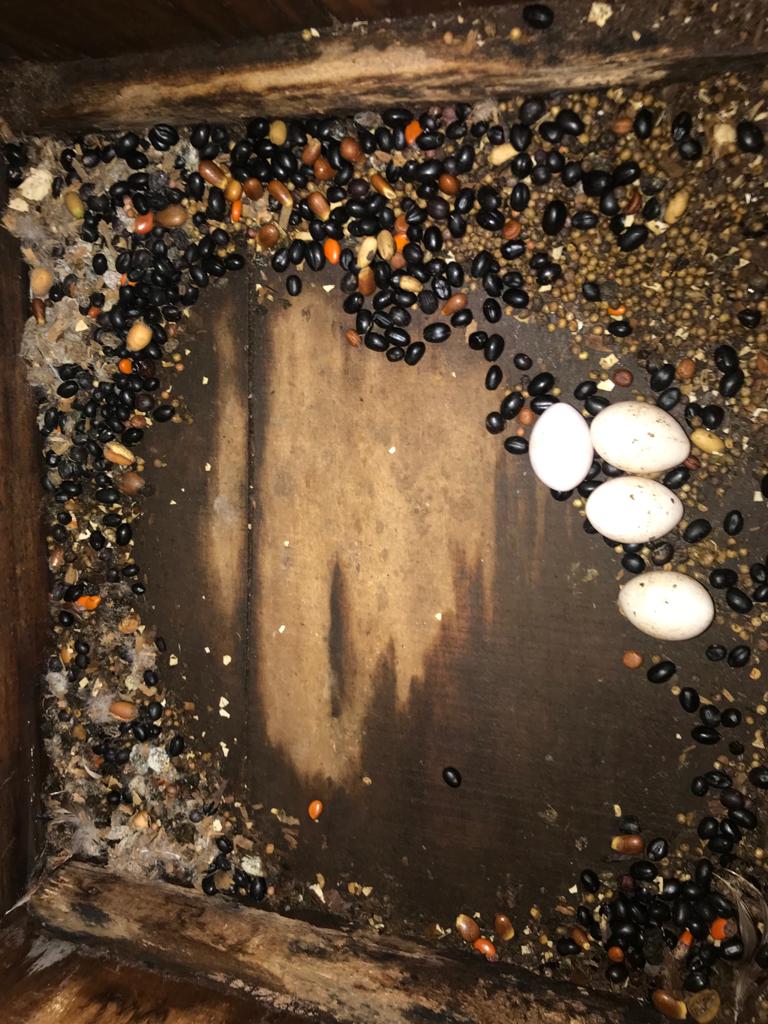
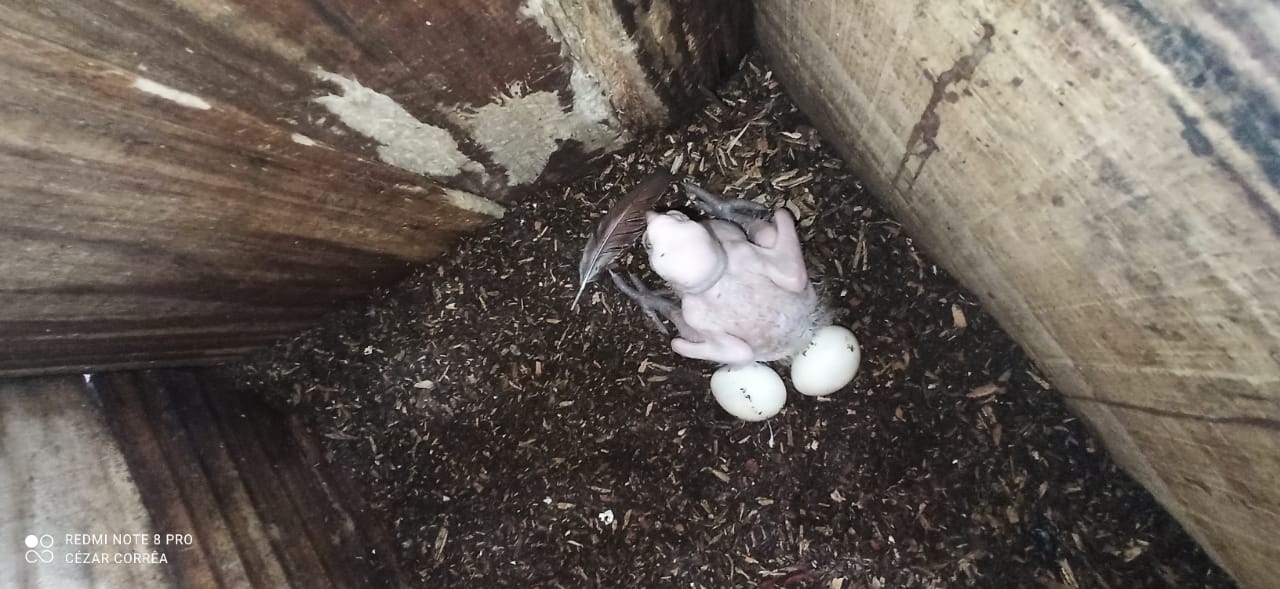
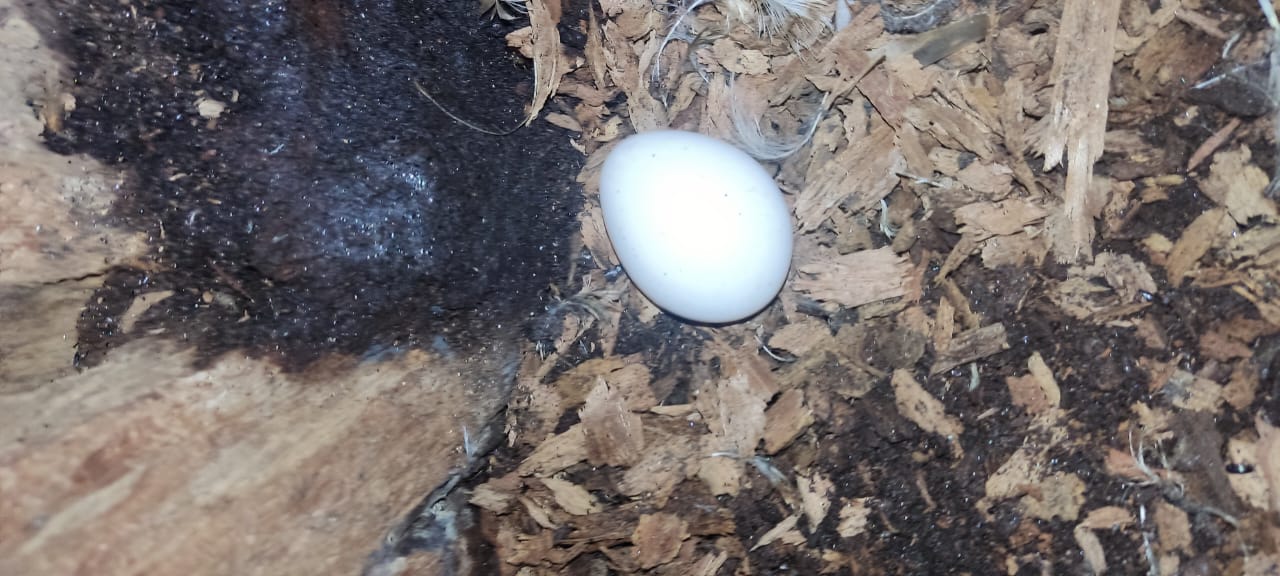
The nests are monitored to record their condition and identify visits, occupancy, and breeding by native birds.
In practice
The work happens at every stage.
Construction, installation, and monitoring are all part of the continuous fieldwork carried out by the project.
Impact
The project’s first results.
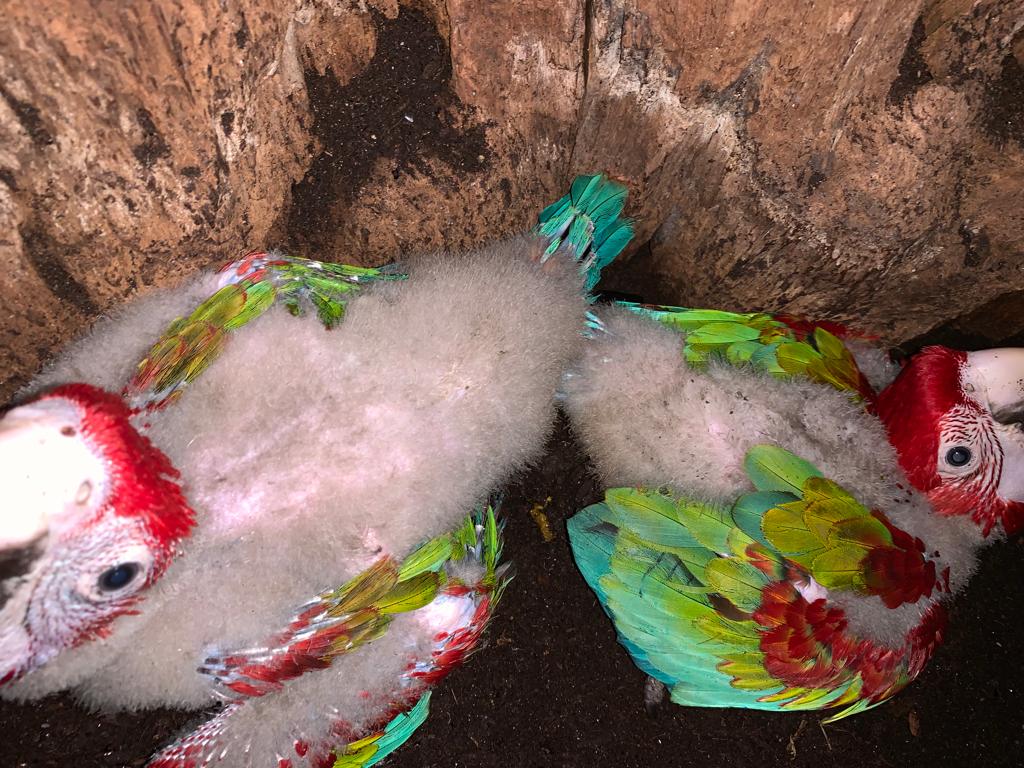
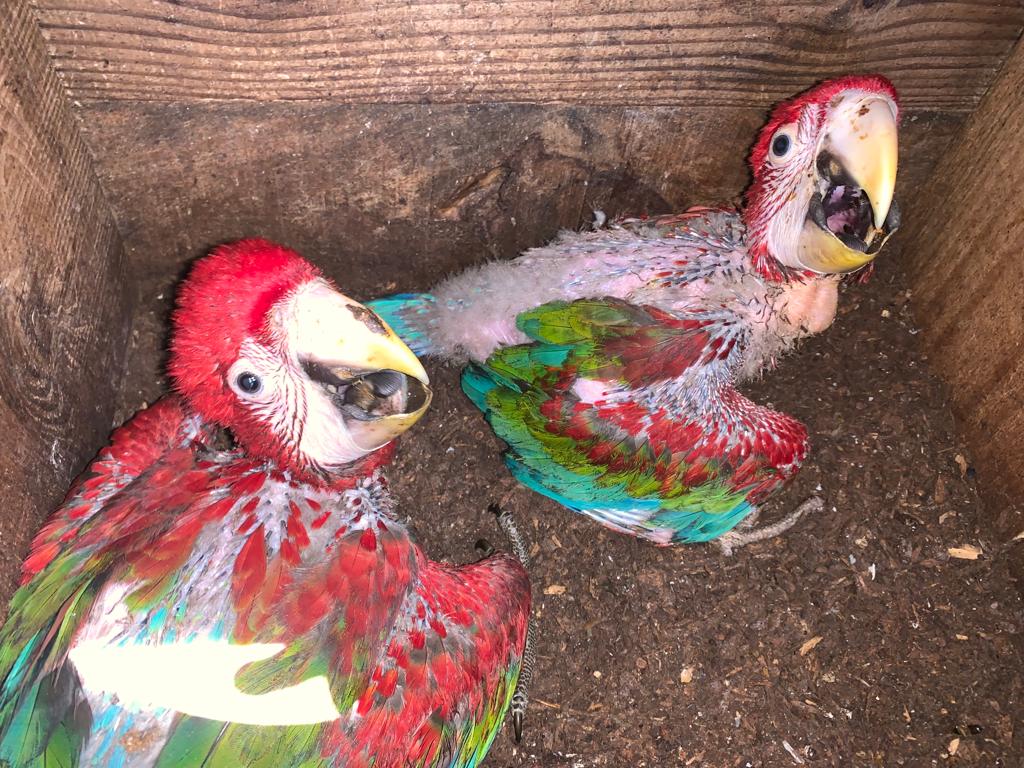
Monitoring artificial nests reveals new possibilities for native bird conservation.
of installed nests were visited by native birds.
Where it takes place
Fazenda Santuário.
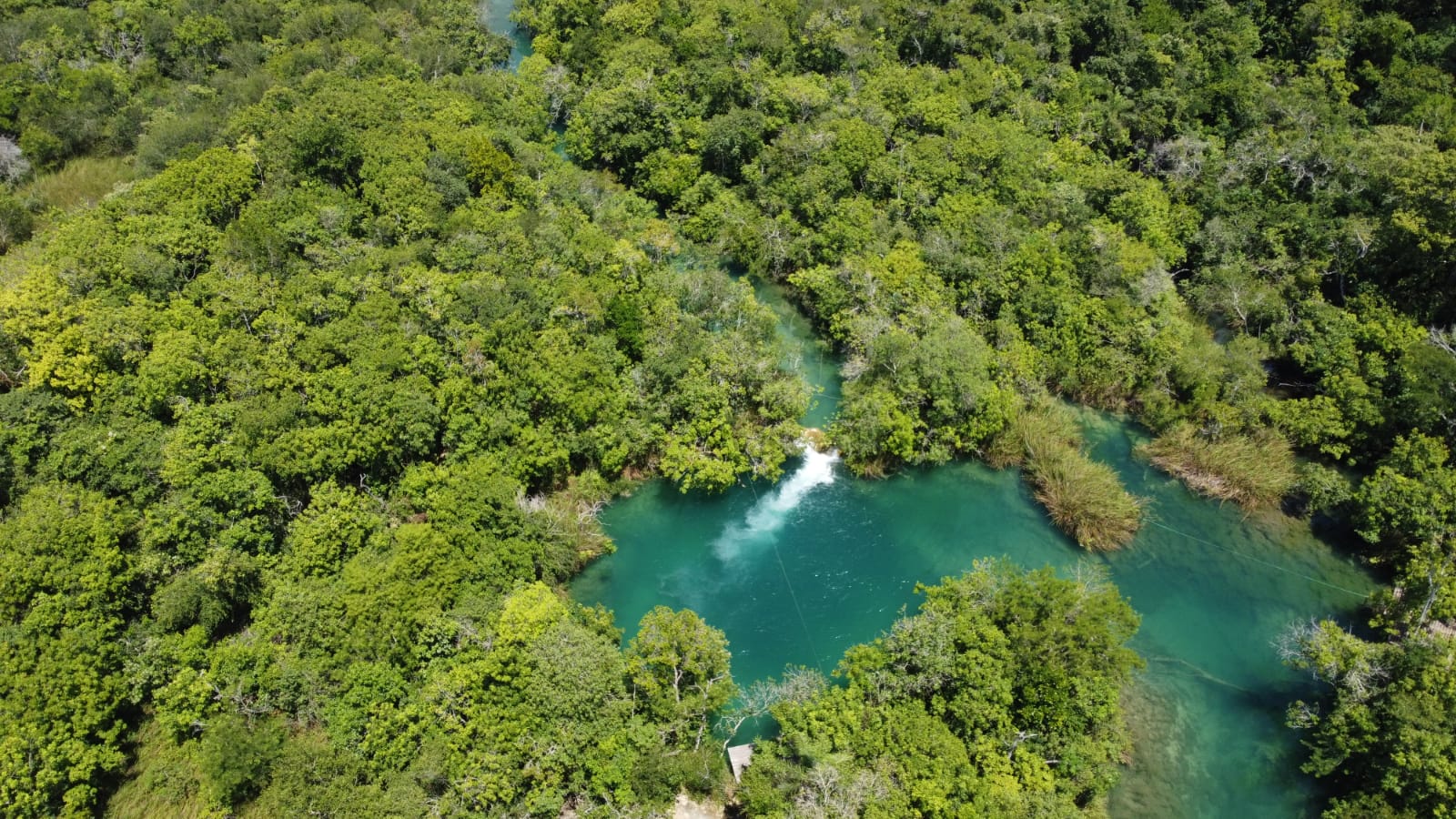
Located in Bonito, Mato Grosso do Sul, Fazenda Santuário covers 257.87 hectares and lies along the Formoso River on the Bodoquena Plateau.
The area lies within the Cerrado biome, with influence from inland Atlantic Forest formations and a variety of habitats important to the region’s birdlife.
What we aim to achieve
Knowledge that becomes conservation.
Ecology
Expand knowledge about bird ecology in the Bodoquena region.
Management
Assess artificial nests as a management and conservation tool for native birds.
Monitoring
Record how native birds in the region use the nests.
Awareness
Engage residents and visitors in bird conservation and efforts to combat illegal wildlife trafficking.
Working in partnership
Conservation
happens through collaboration.
The initiative brings together Instituto Libio, Instituto Arara Azul, Projeto Papagaio-verdadeiro, and Fundação Neotrópica do Brasil, combining protected land, scientific research, and hands-on bird conservation actions.


Help create new
possibilities for
wildlife.
Support Instituto Libio and contribute to initiatives that combine research,
management, and conservation of Brazilian birds.