

Porto Feliz Reserve (SP)
Biome: Atlantic Forest | Area: 38.3 ha
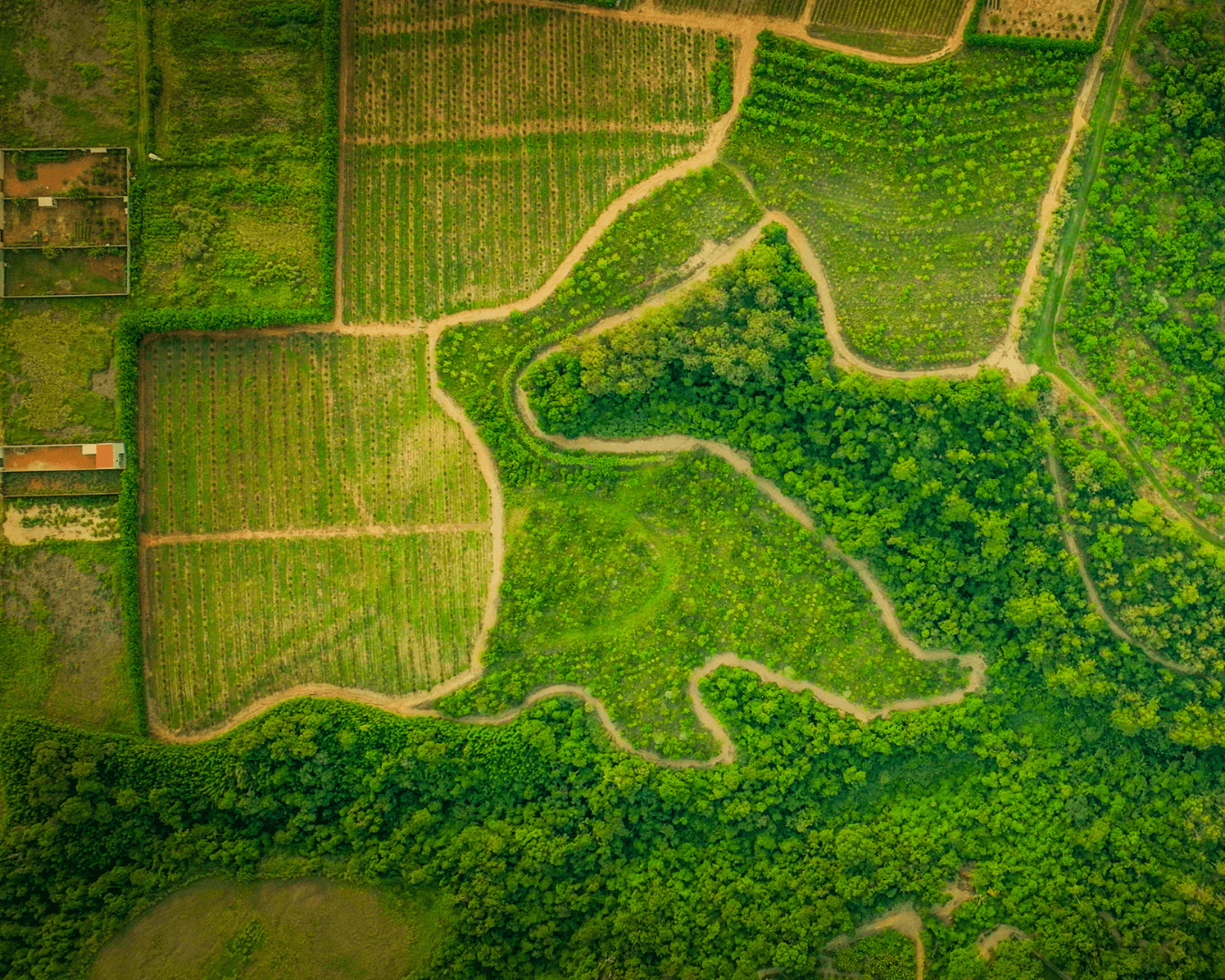
Located between the Tietê Environmental Protection Area (APA) and the Avecuia Stream Municipal APA, the Porto Feliz Reserve plays a vital role in watershed conservation, wildlife shelter, and forest connectivity around the São Paulo metropolitan area.
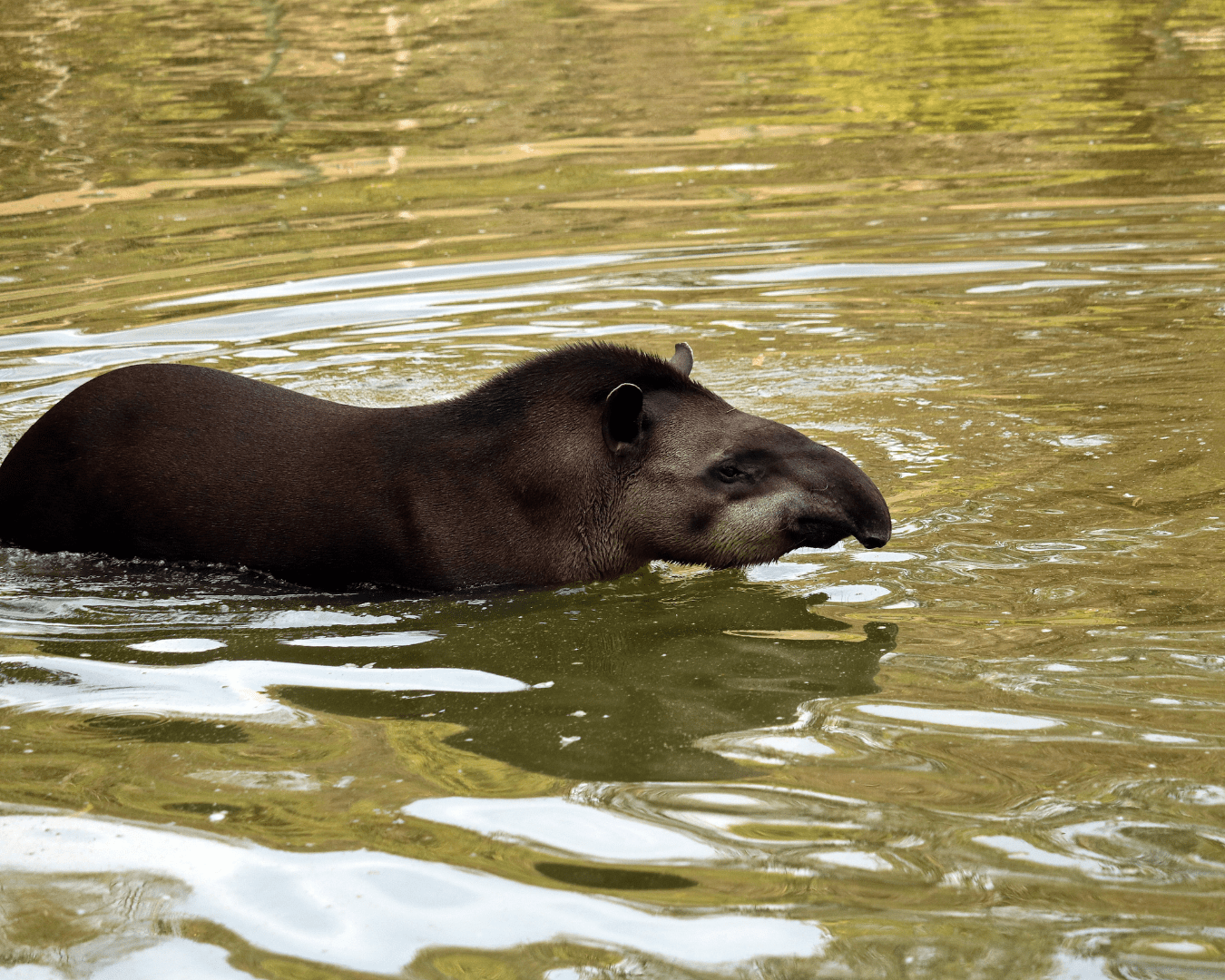
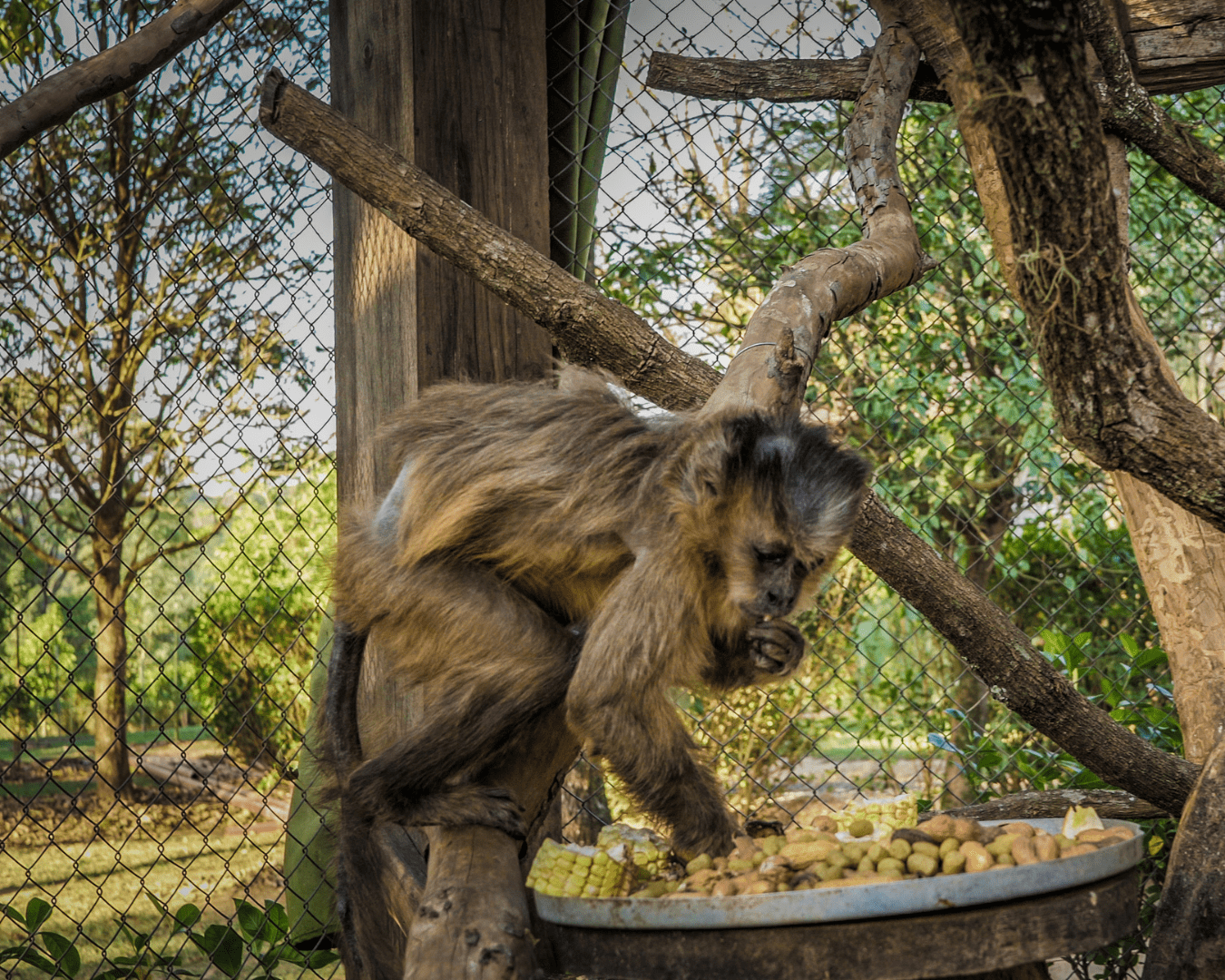
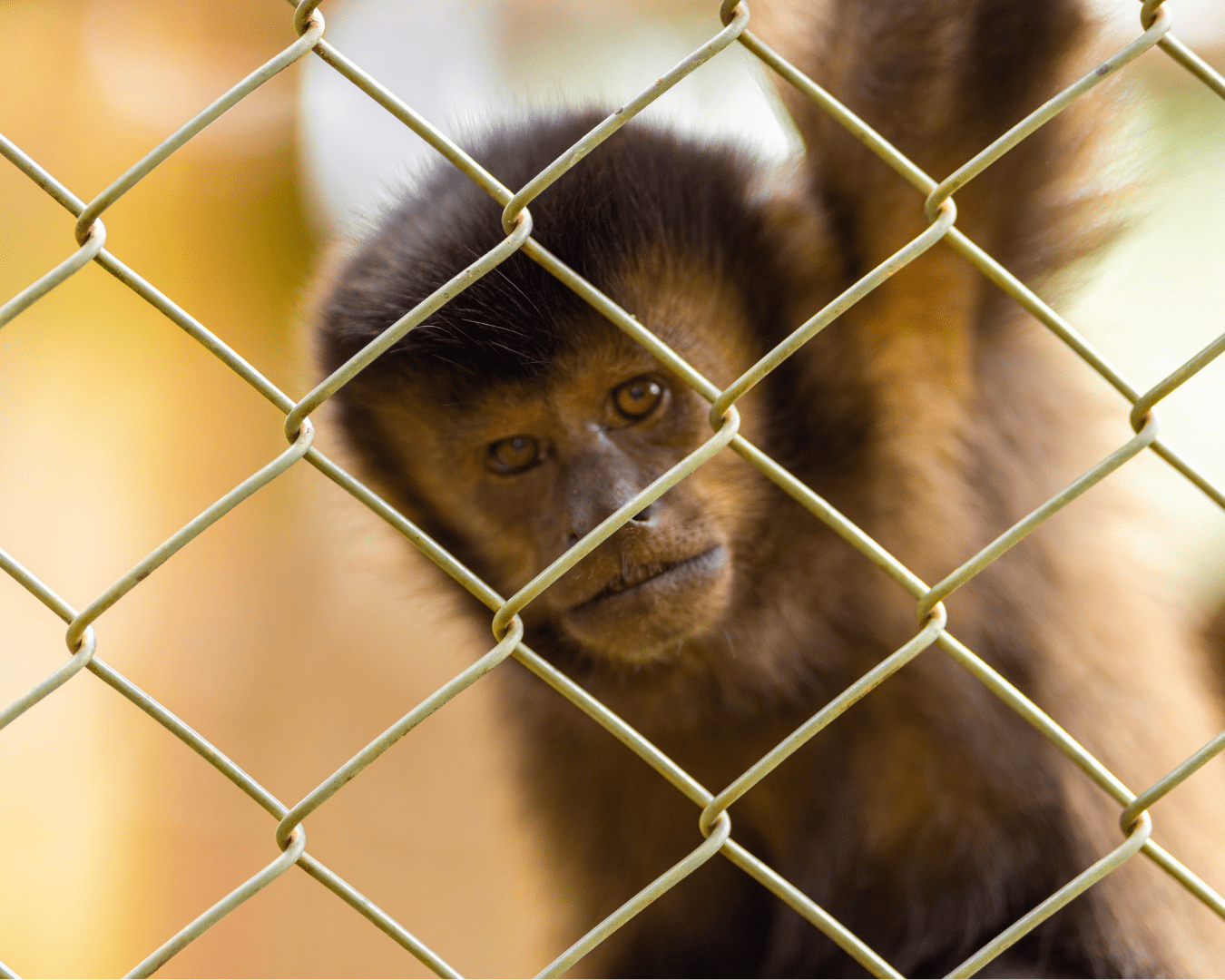
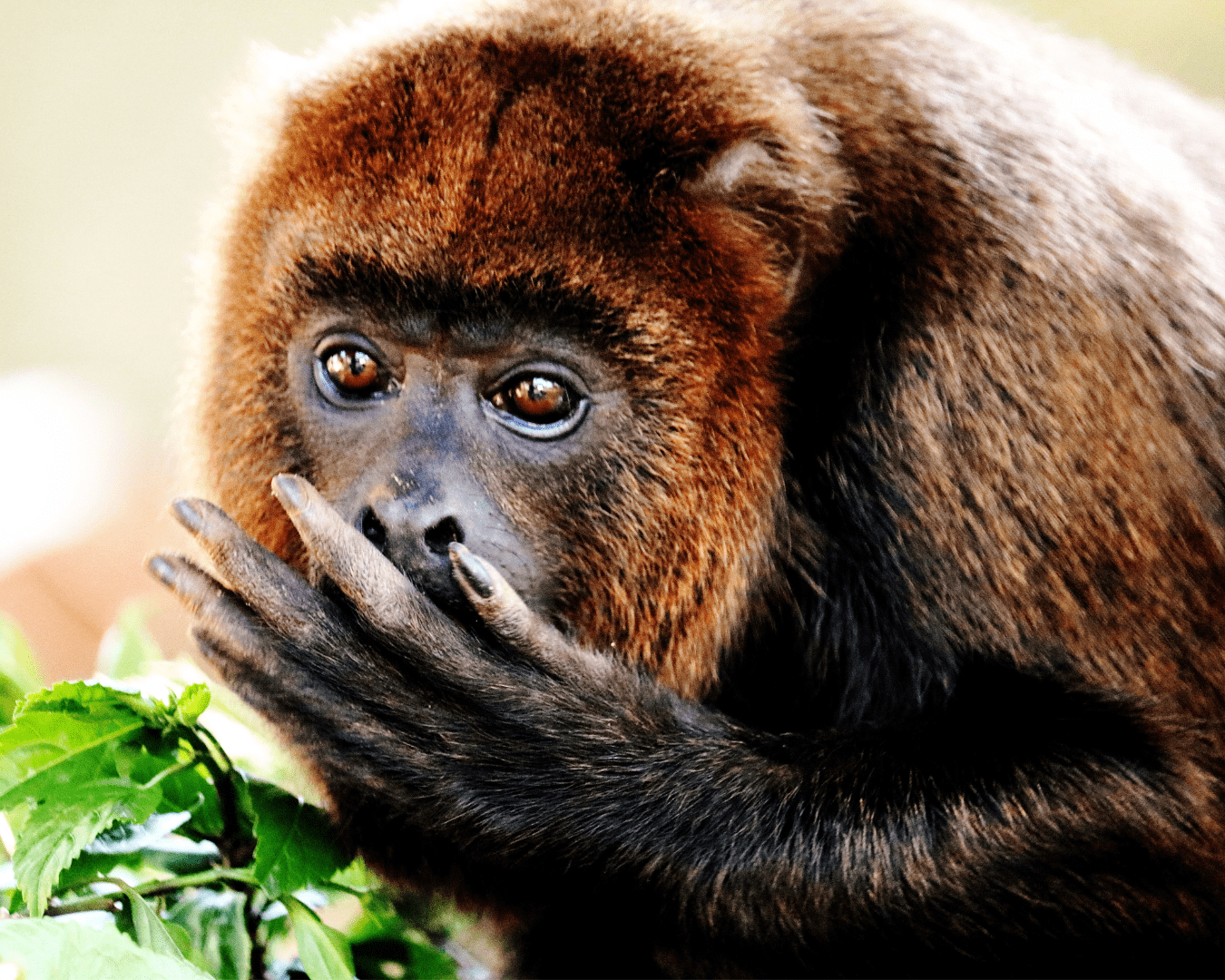
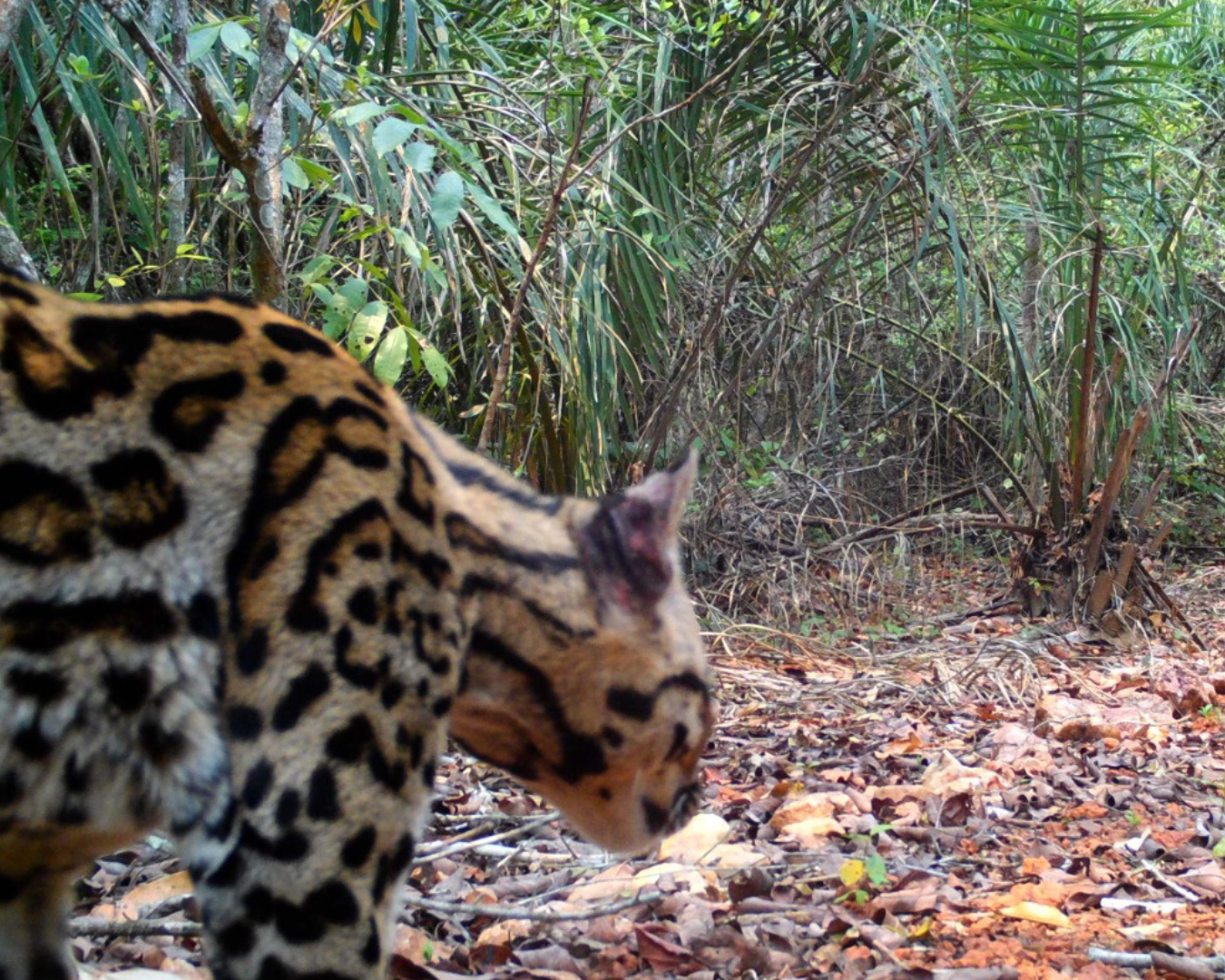
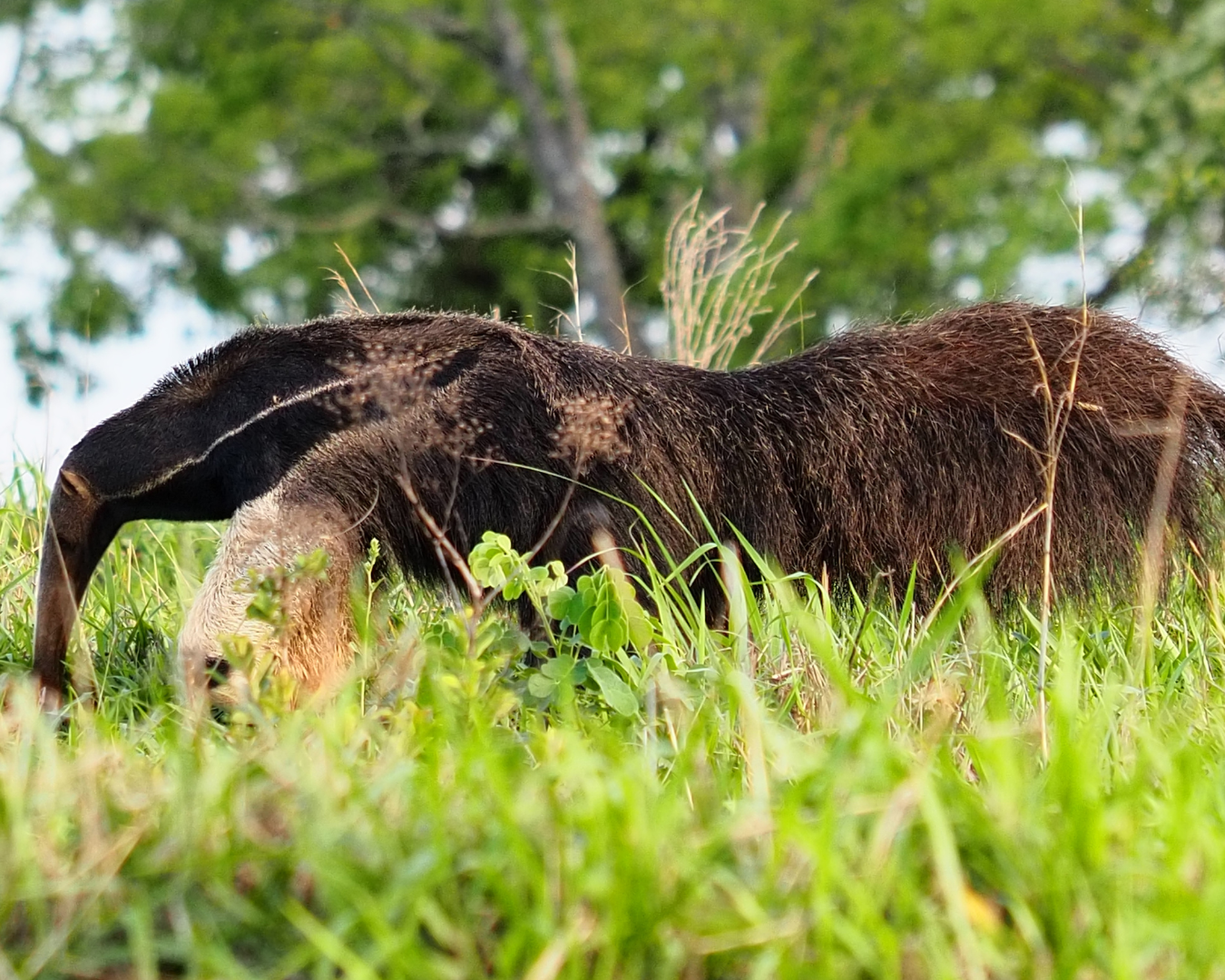
Even under intense urban and environmental pressure, it harbors iconic species such as the puma, giant anteater, howler monkey, and capuchin monkey, while protecting one of the main water sources supplying the capital.
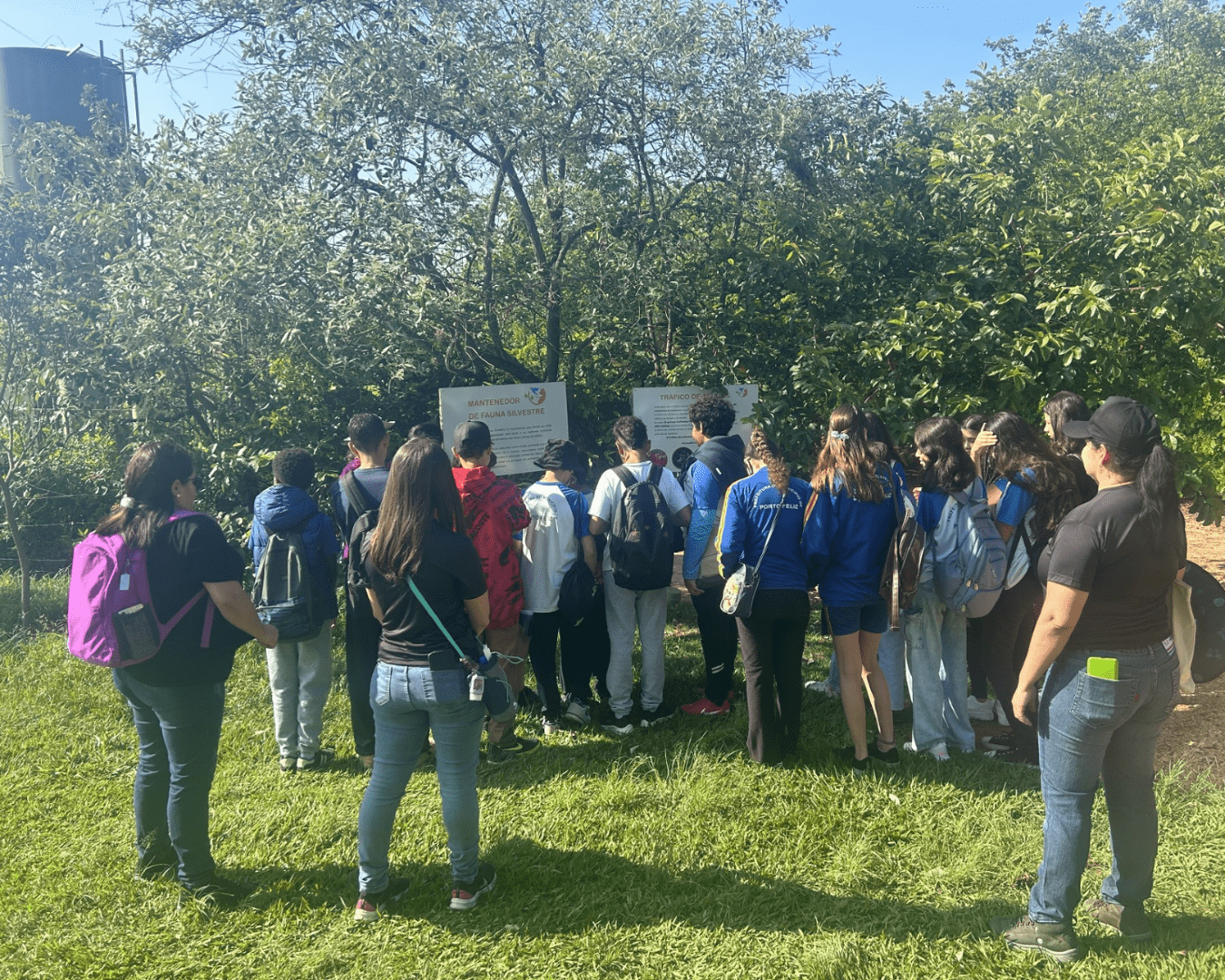
The reserve serves as an ecological barrier against urban expansion, promotes ecosystem regeneration, and acts as a replicable model of integration between conservation, education, and sustainable production.
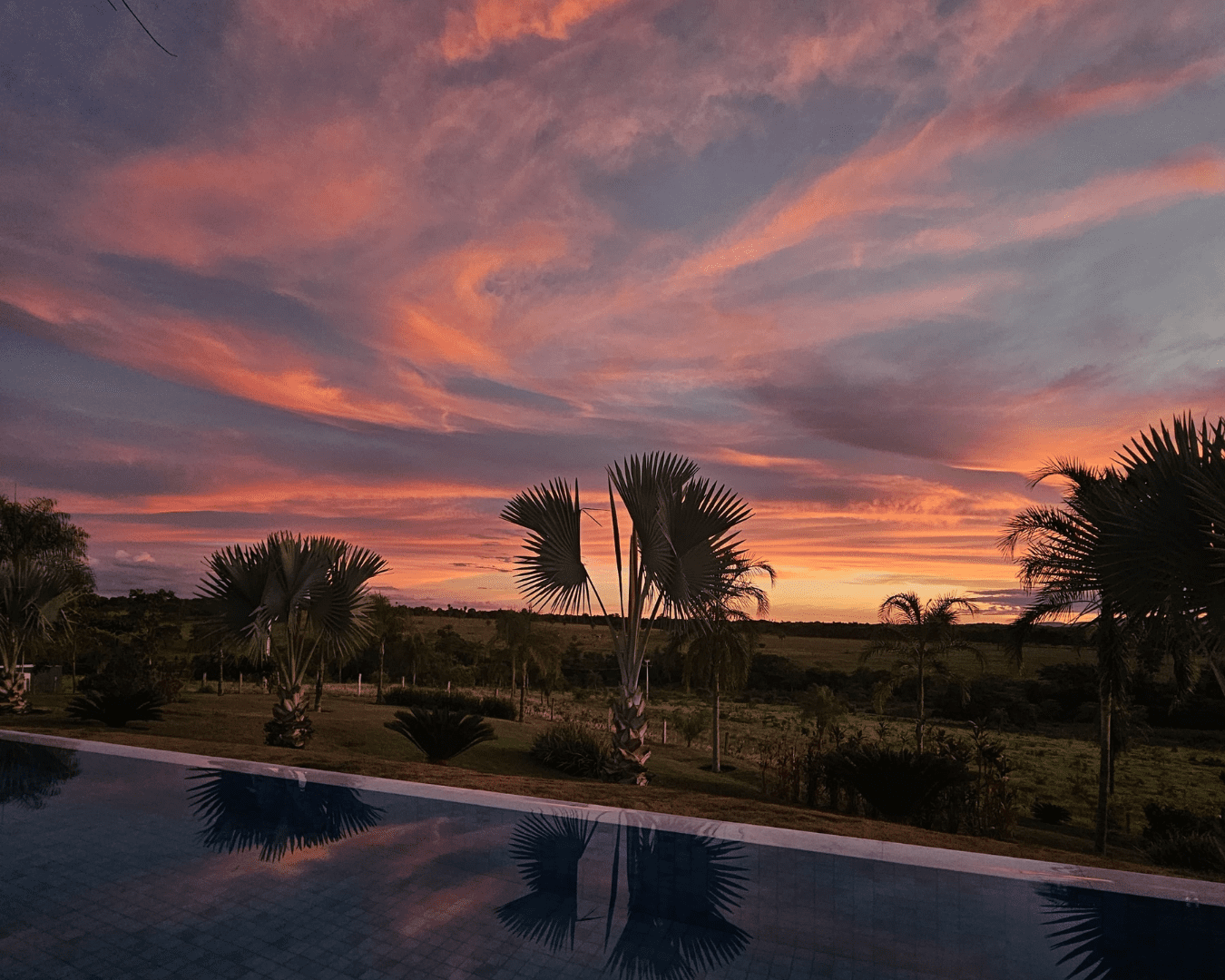
Santuário Reserve (MS)
Biome: Cerrado | Area: 257.8 ha
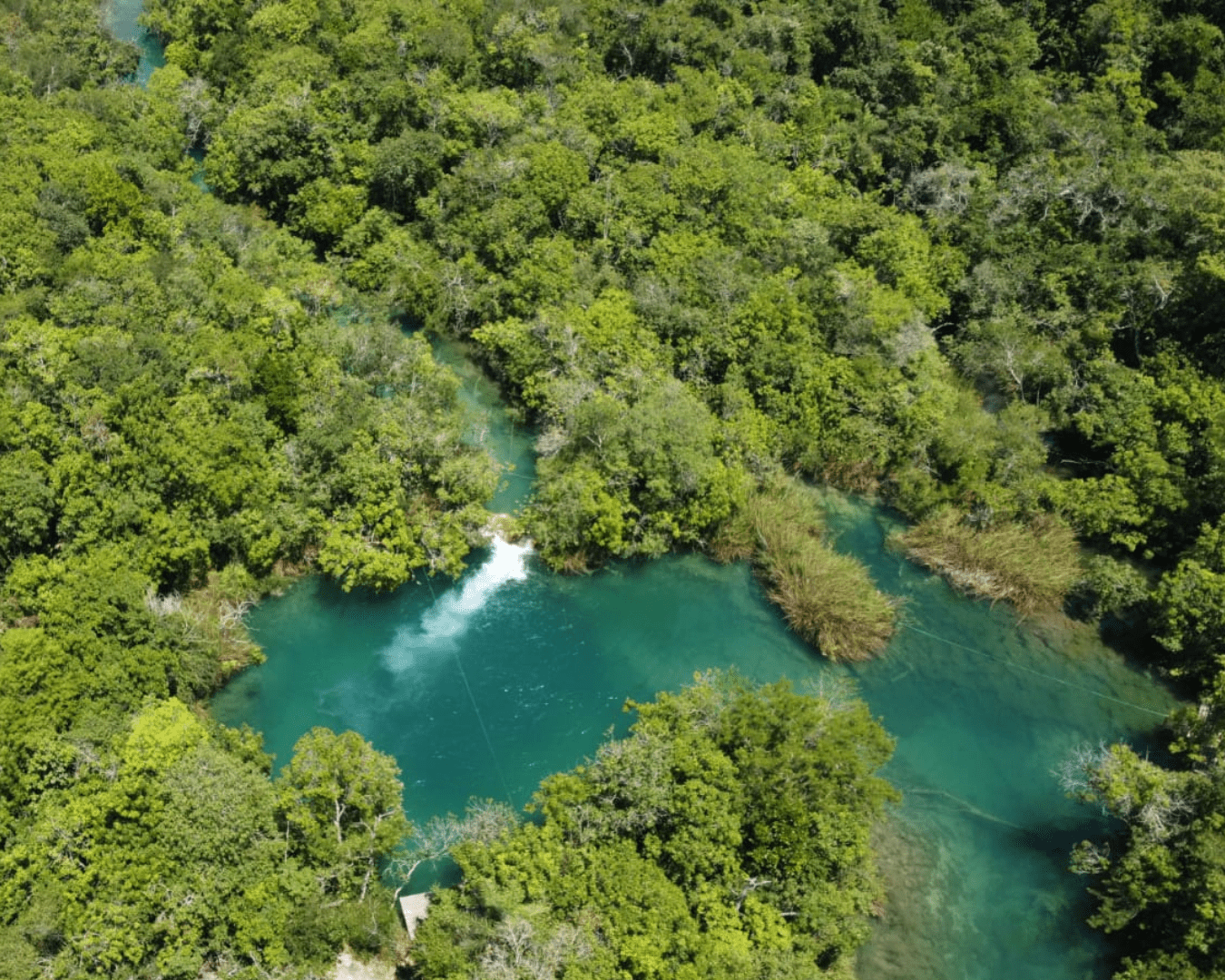
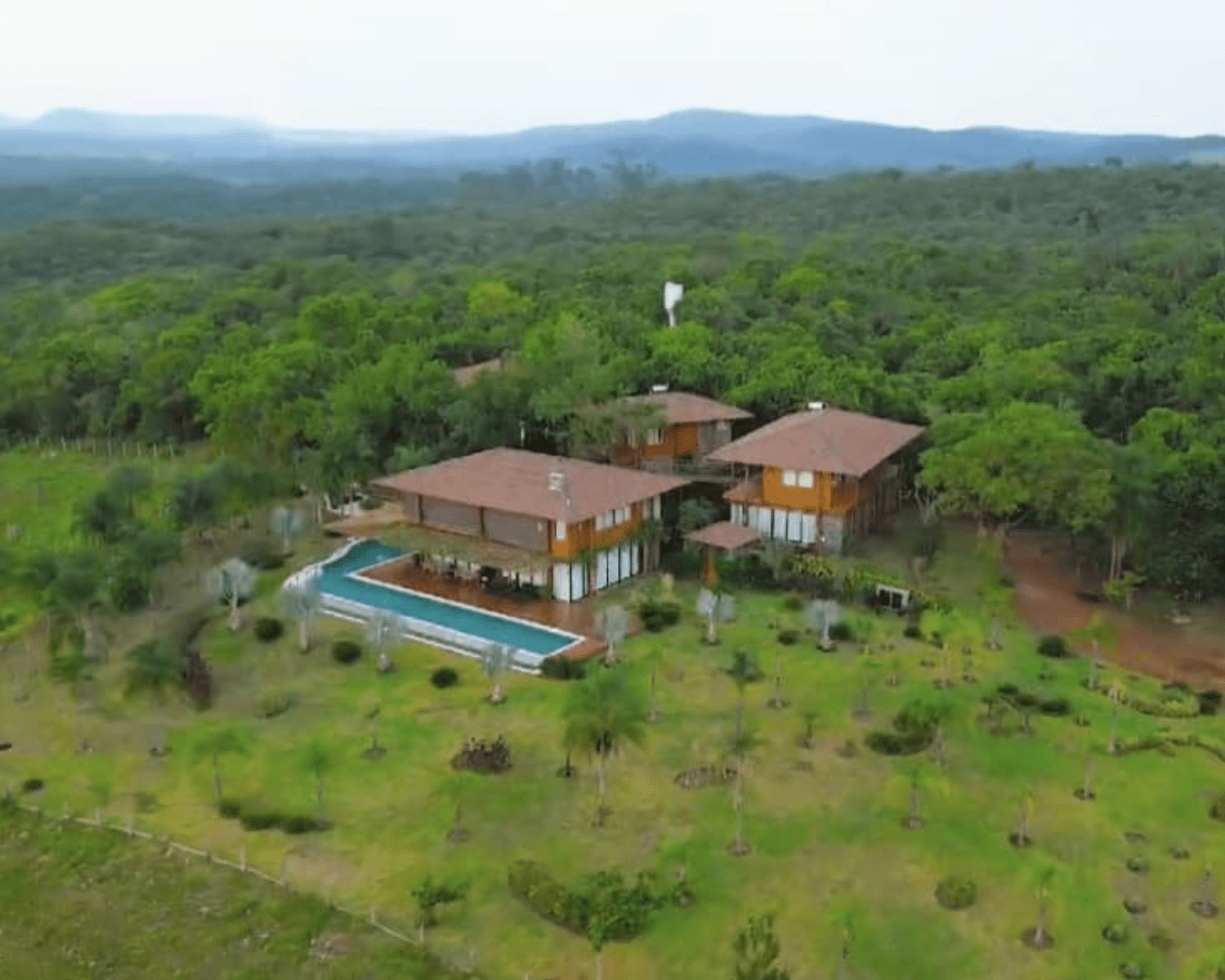
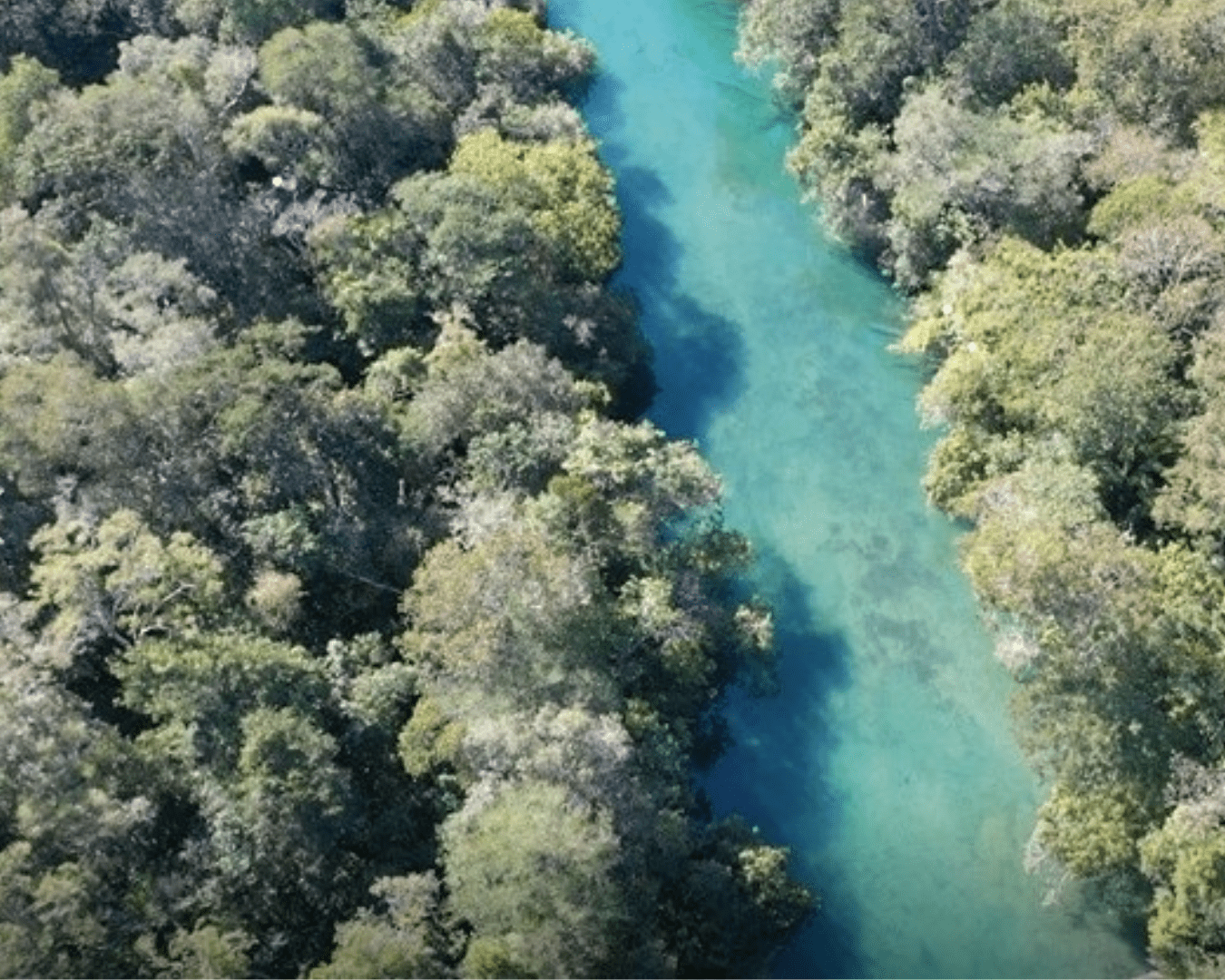
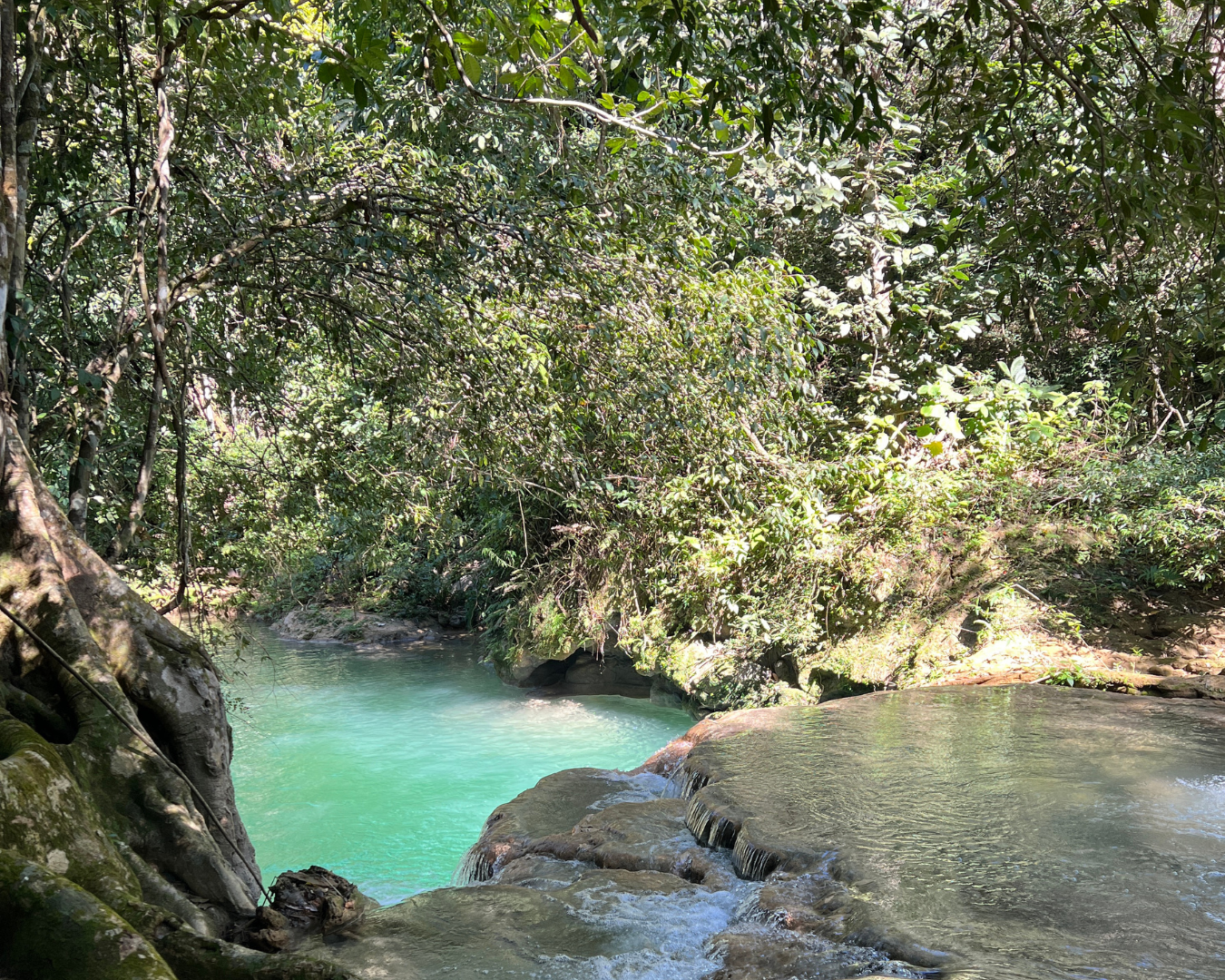
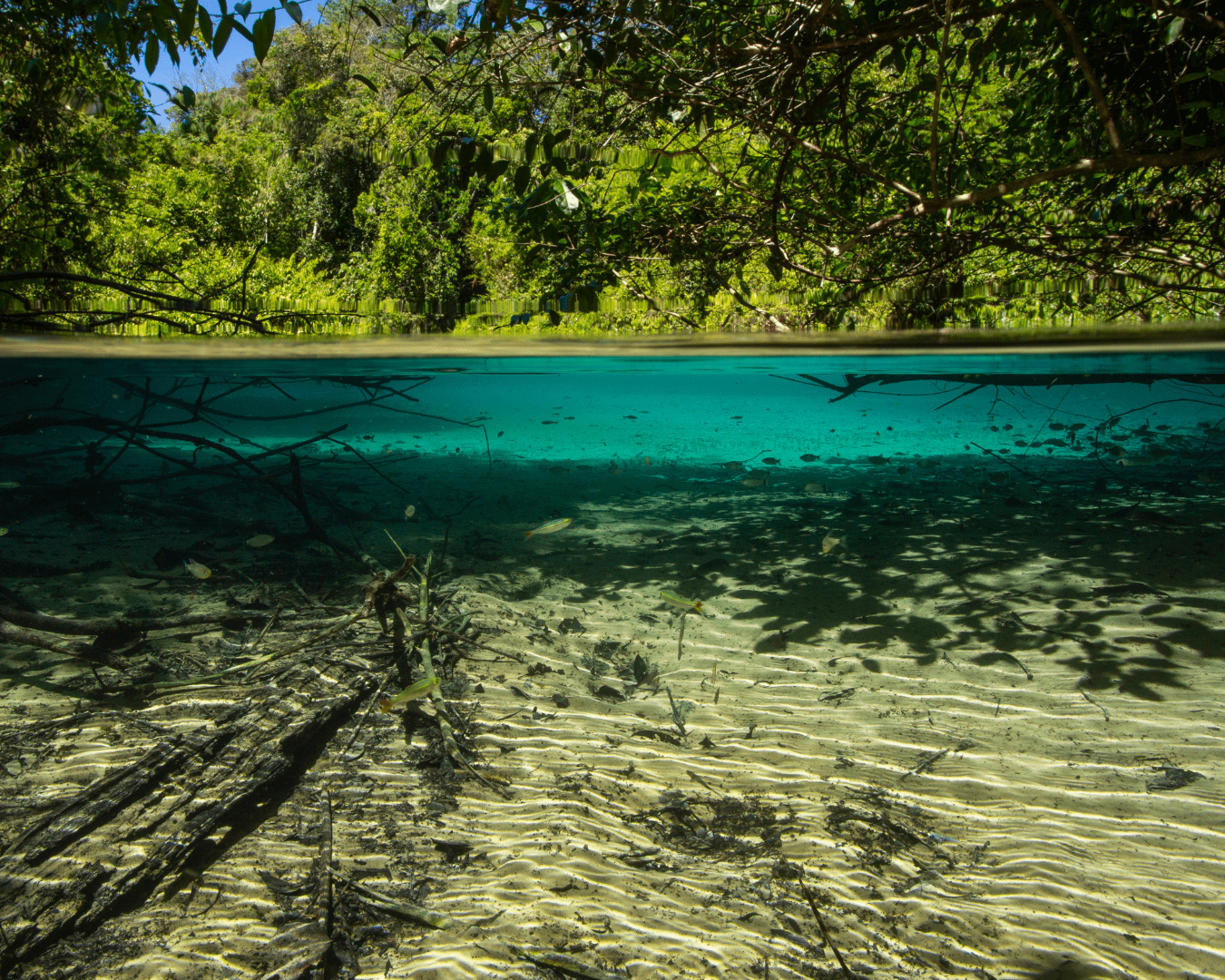
Located in Bonito (MS), the Santuário Reserve sits within one of Brazil’s most remarkable natural landscapes. The area forms part of a vital ecological corridor connecting the Serra da Bodoquena National Park to the Rio Formoso Natural Monument, protecting springs, streams, and fragments of native vegetation.
In addition to conserving unique Cerrado and Atlantic Forest ecosystems, the reserve supports scientific research and large-scale forest restoration programs.
At the Santuário Reserve, ecotourism offers a direct connection with nature. Trails reveal preserved forests, springs, and landscapes of the Cerrado and Atlantic Forest. The experience raises awareness about conservation and directly supports the environmental projects of the Instituto Líbio.
Saci Reserve (MS)
Biome: Atlantic Forest | Area: 211.5 ha
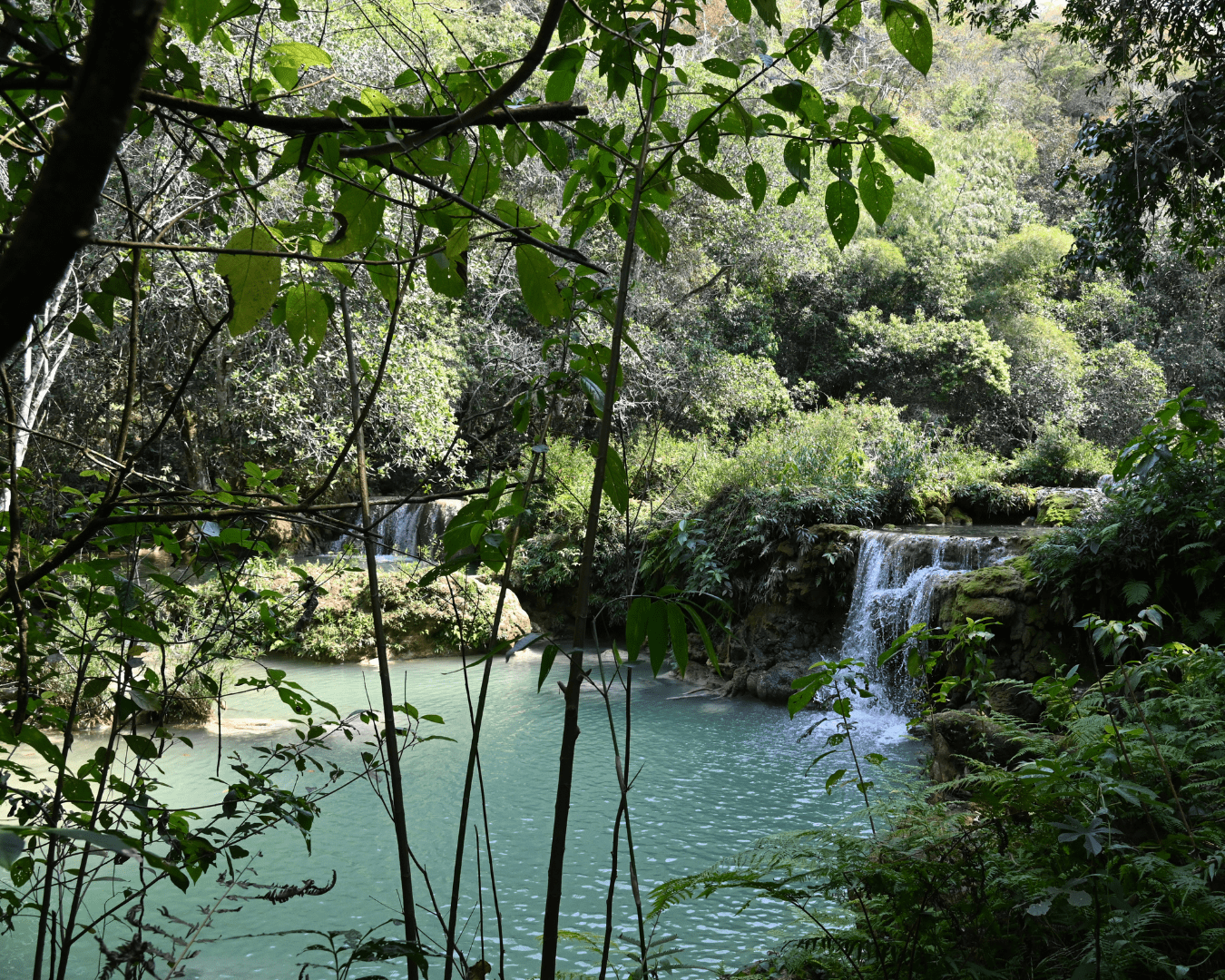
Located in Bonito (MS), the Saci Reserve borders the Serra da Bodoquena National Park, a region of great ecological importance within the Atlantic Forest biome. The reserve plays a strategic role in protecting wildlife, monitoring ecosystems, and encouraging scientific research.
Its proximity to other protected areas and sustainable tourism zones reinforces its mission as a hub for conservation, study, and environmental education.
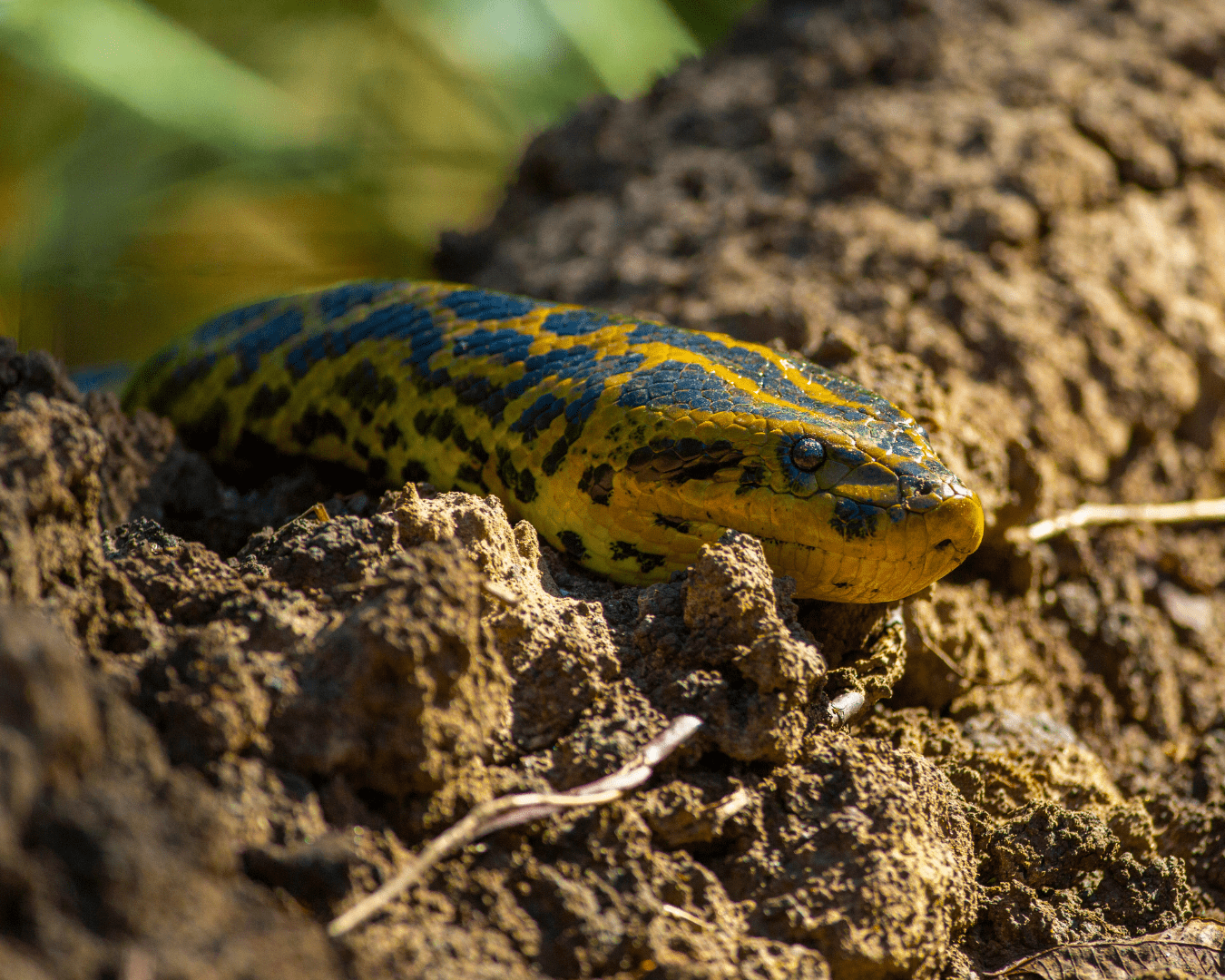
Santa Sofia Reserve (MS)
Biome: Pantanal | Area: 33,474 ha
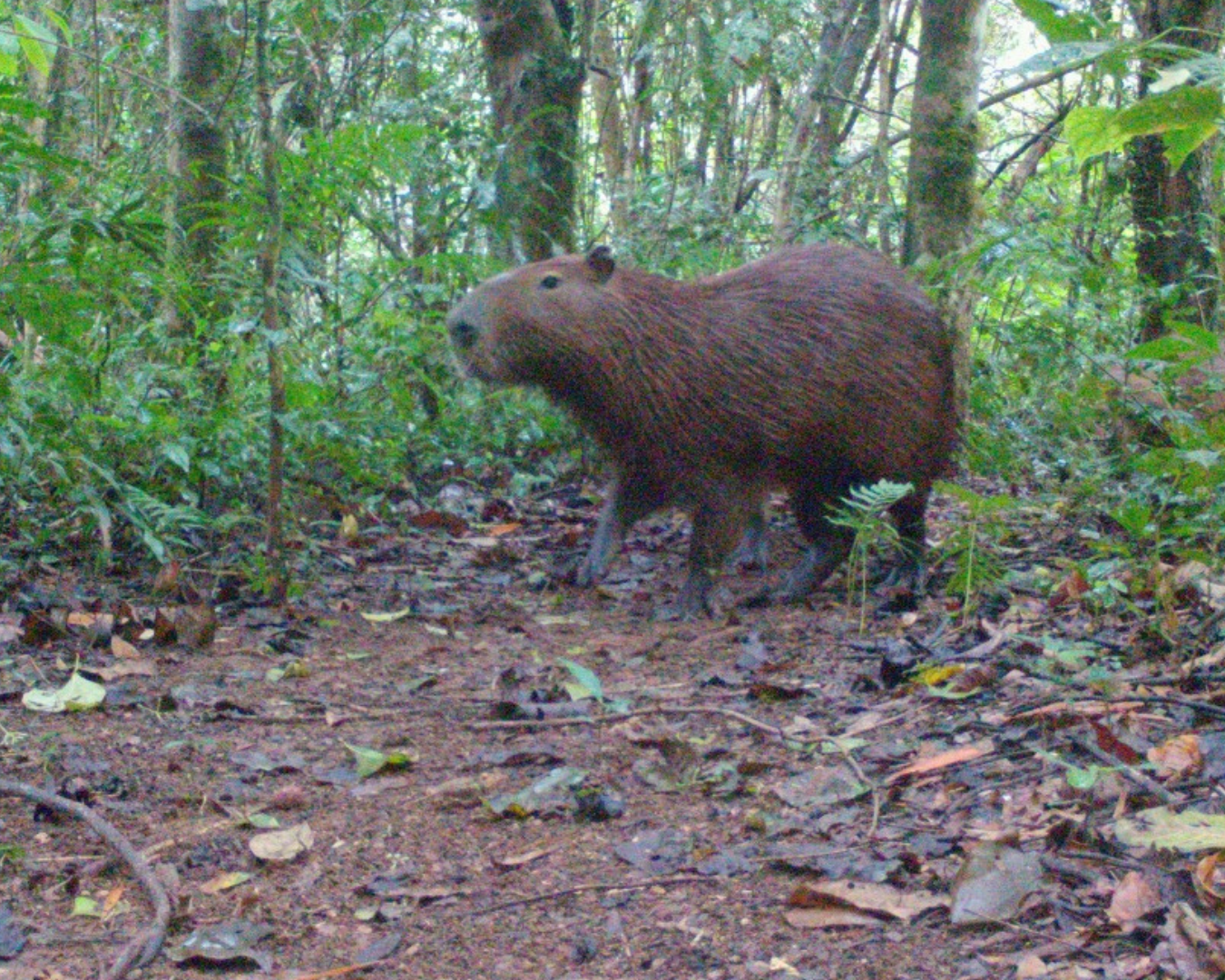
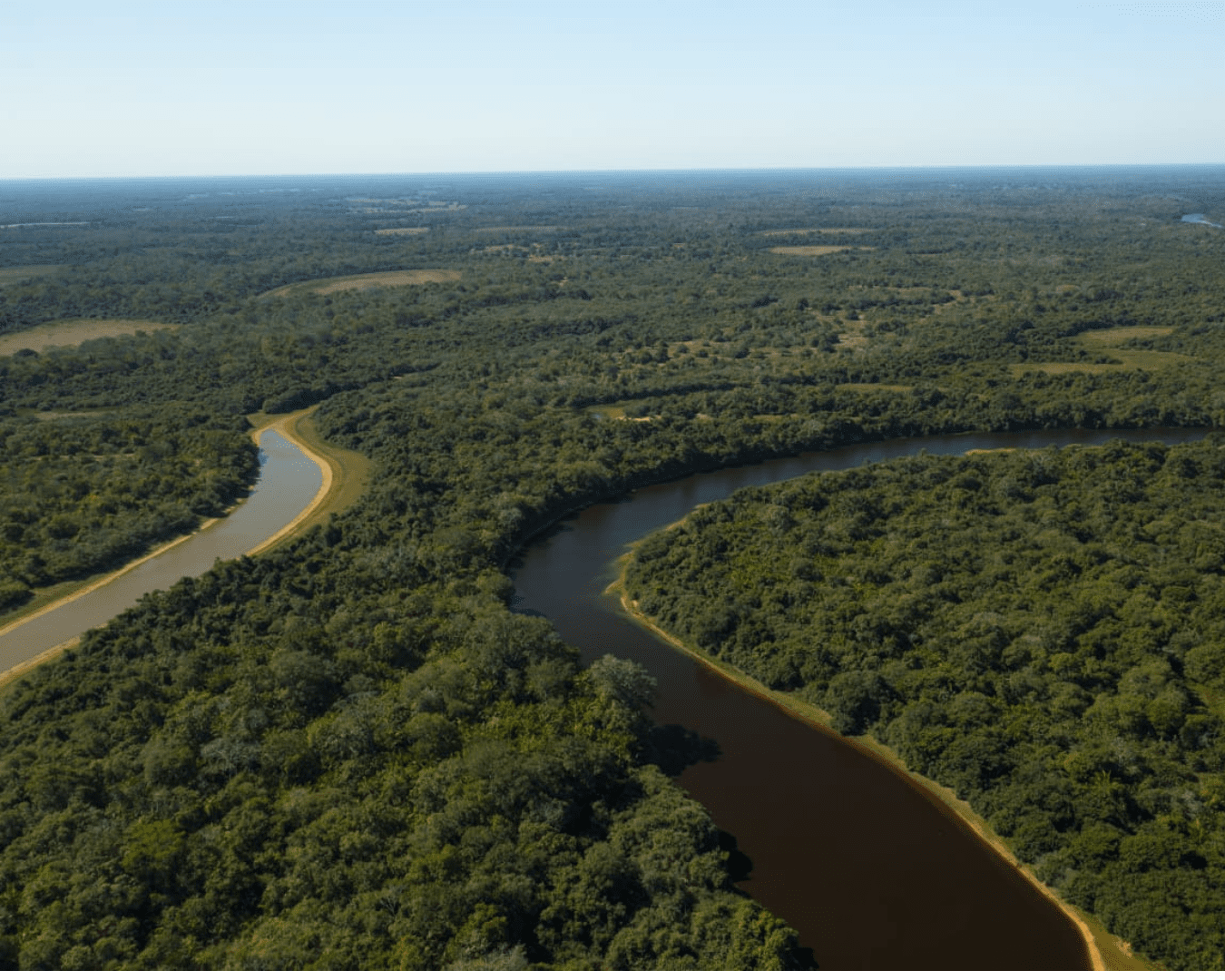
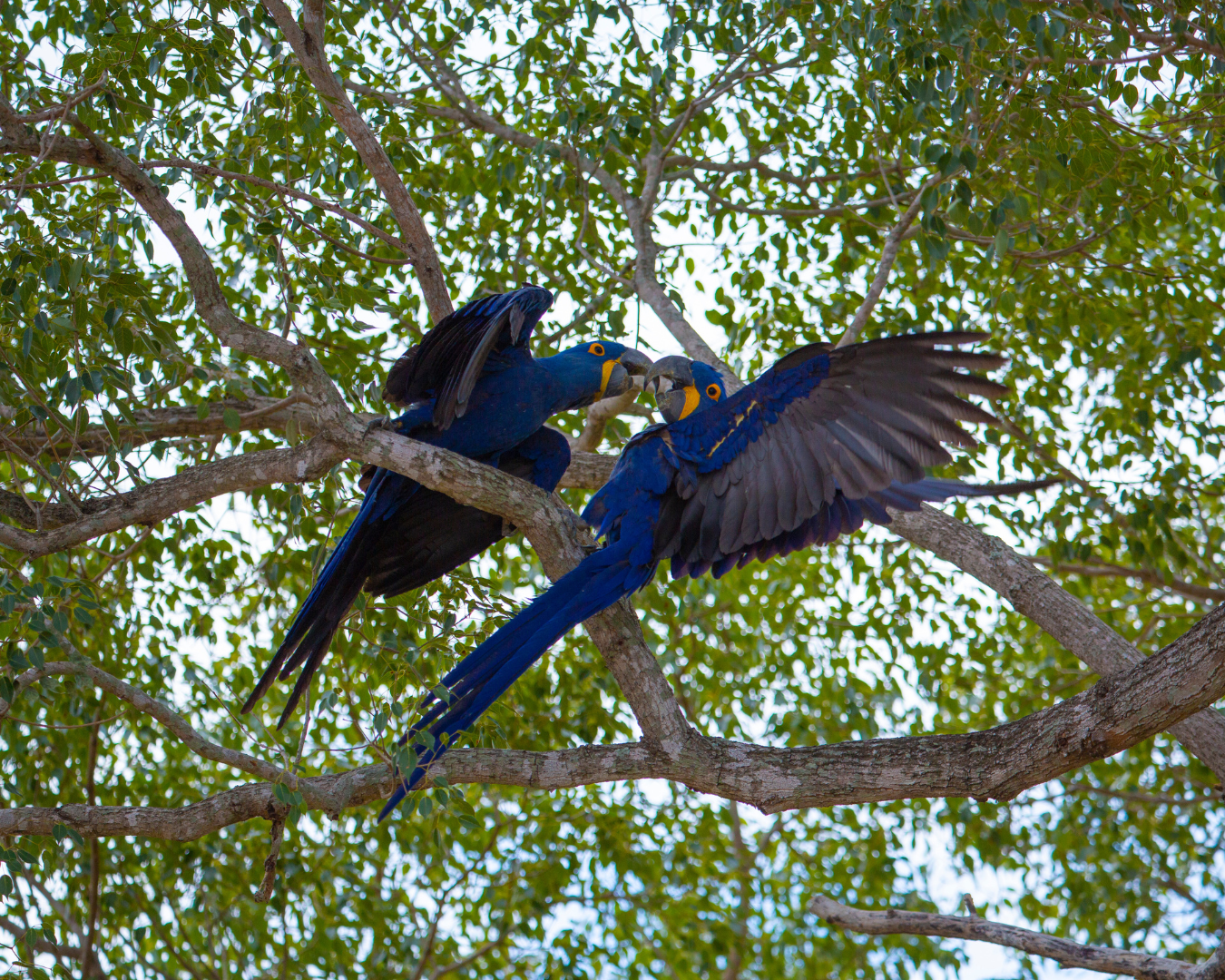
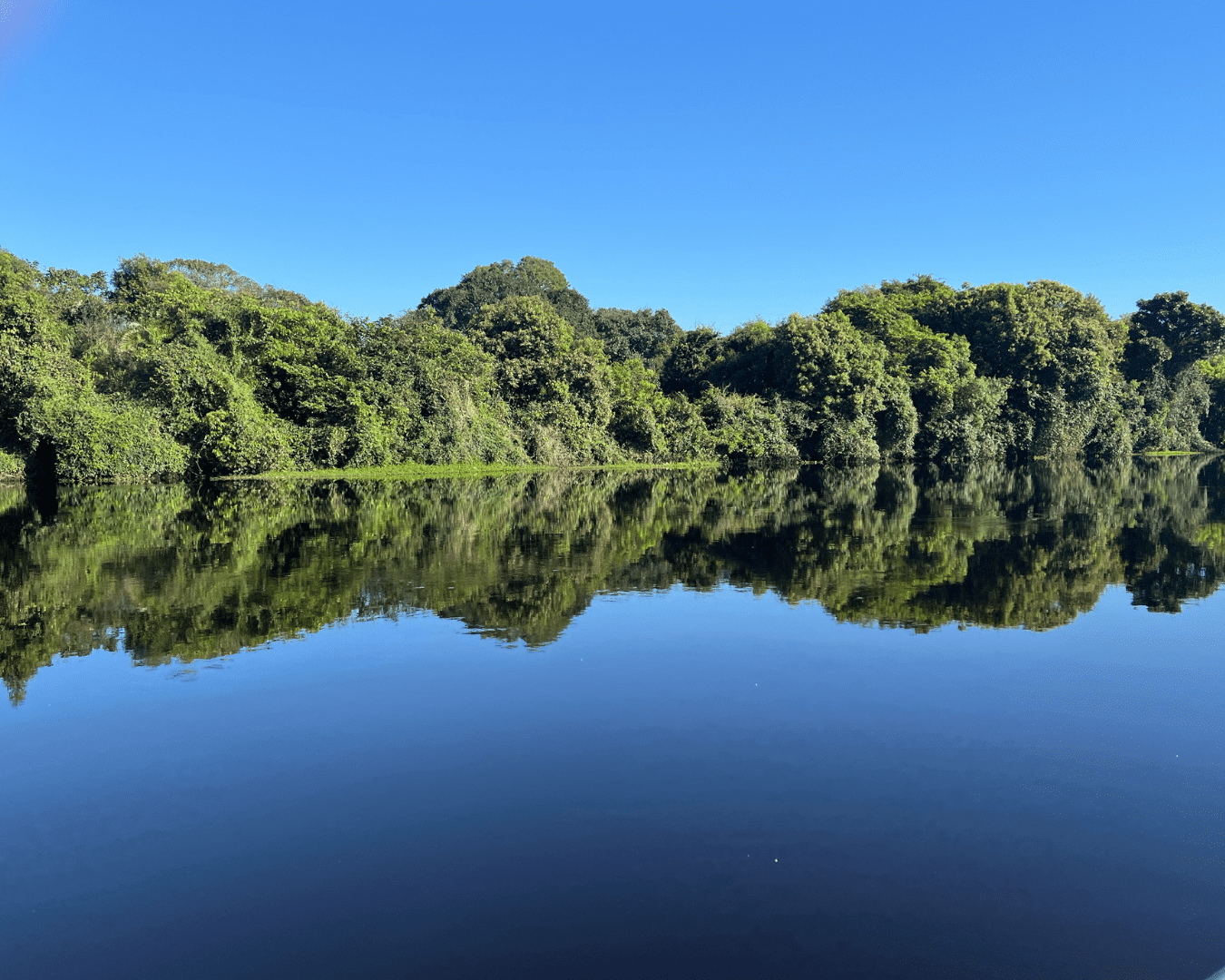
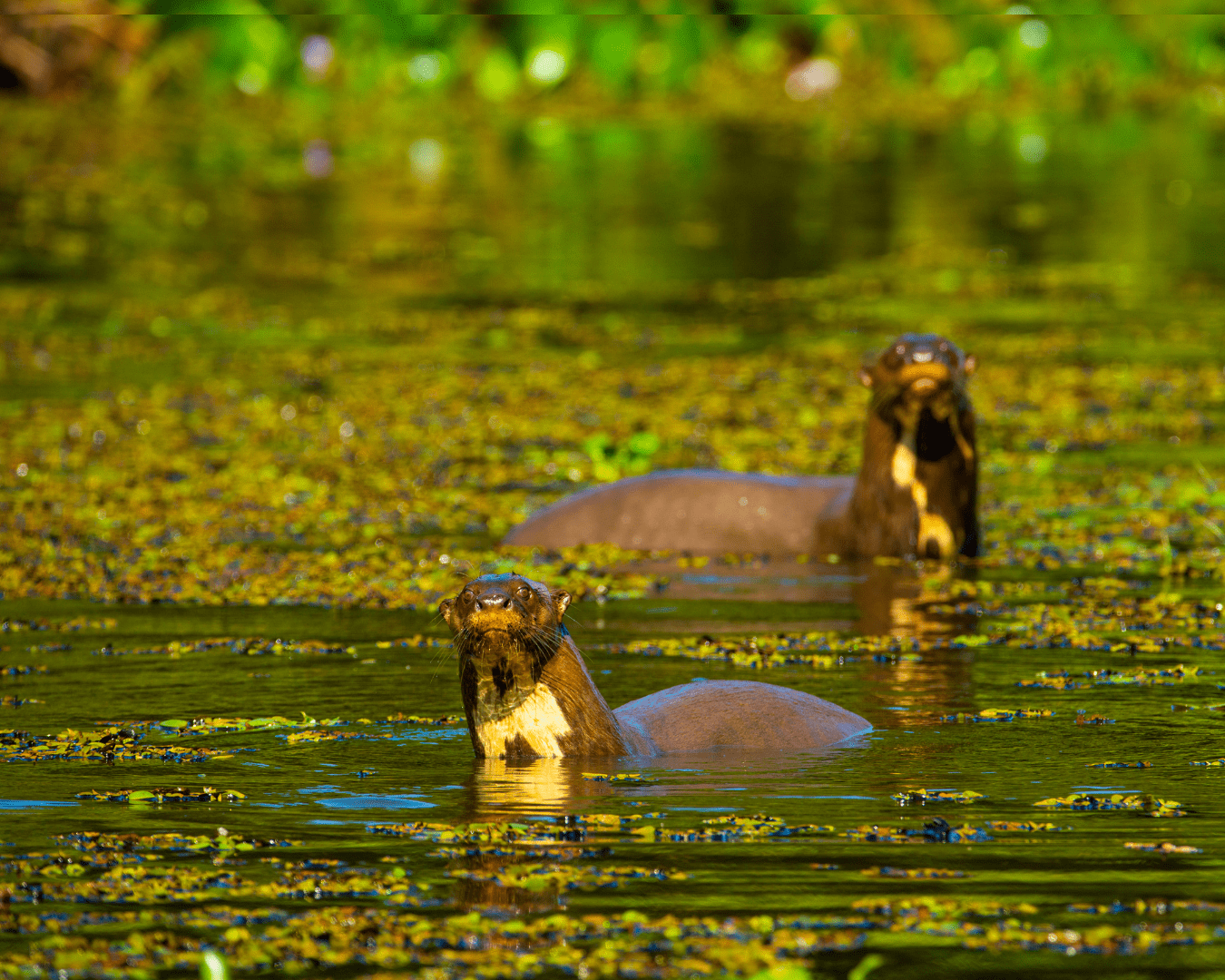
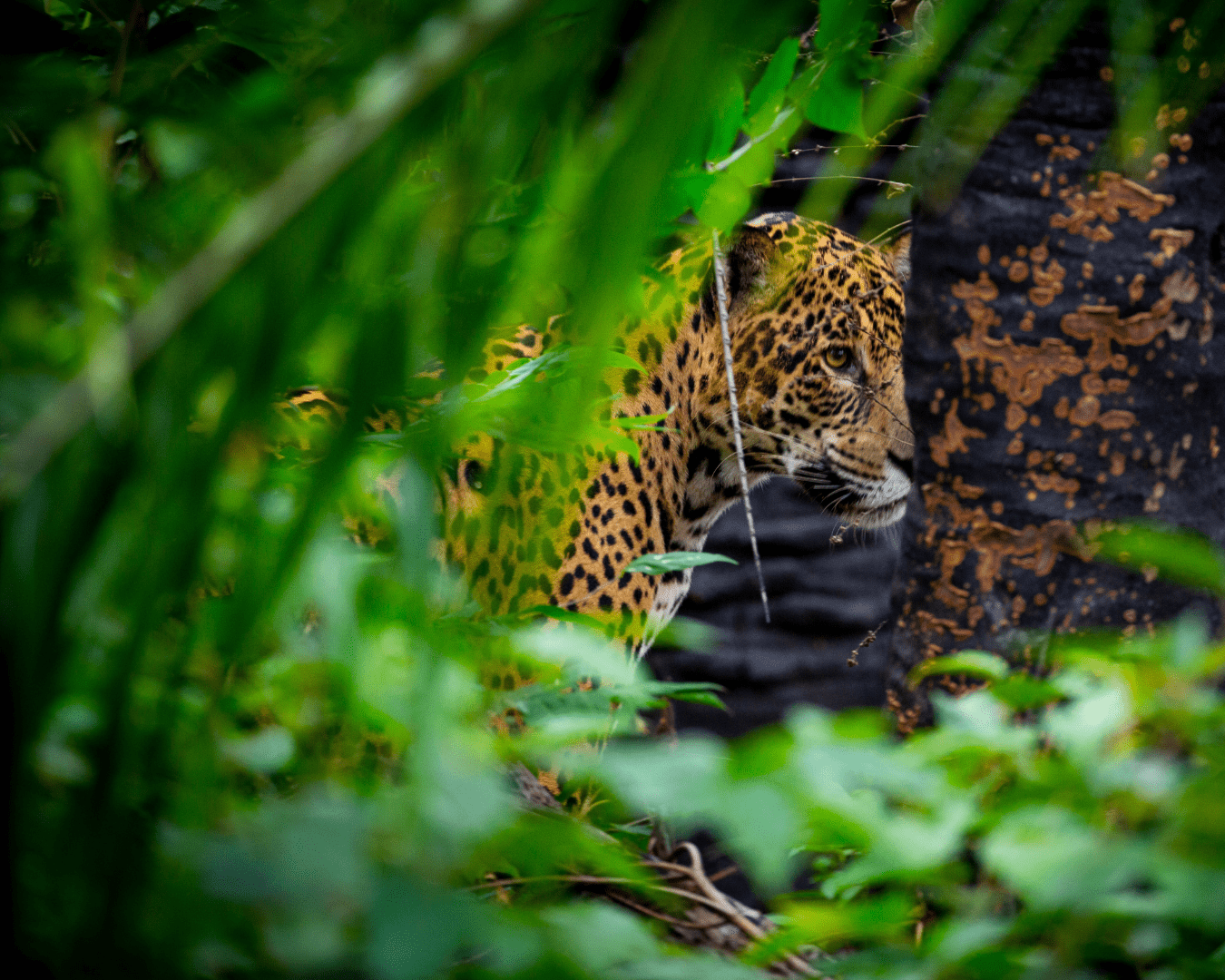
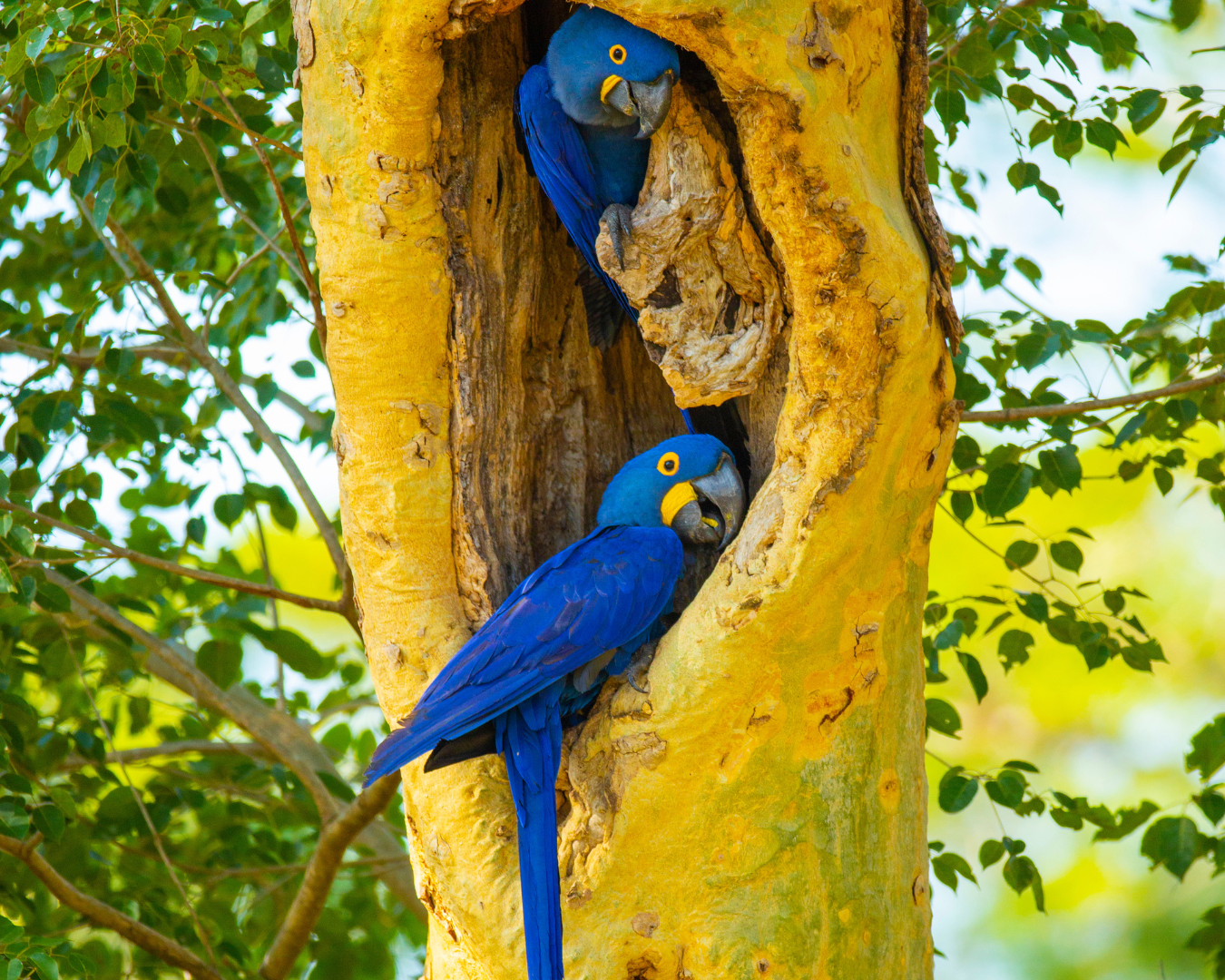
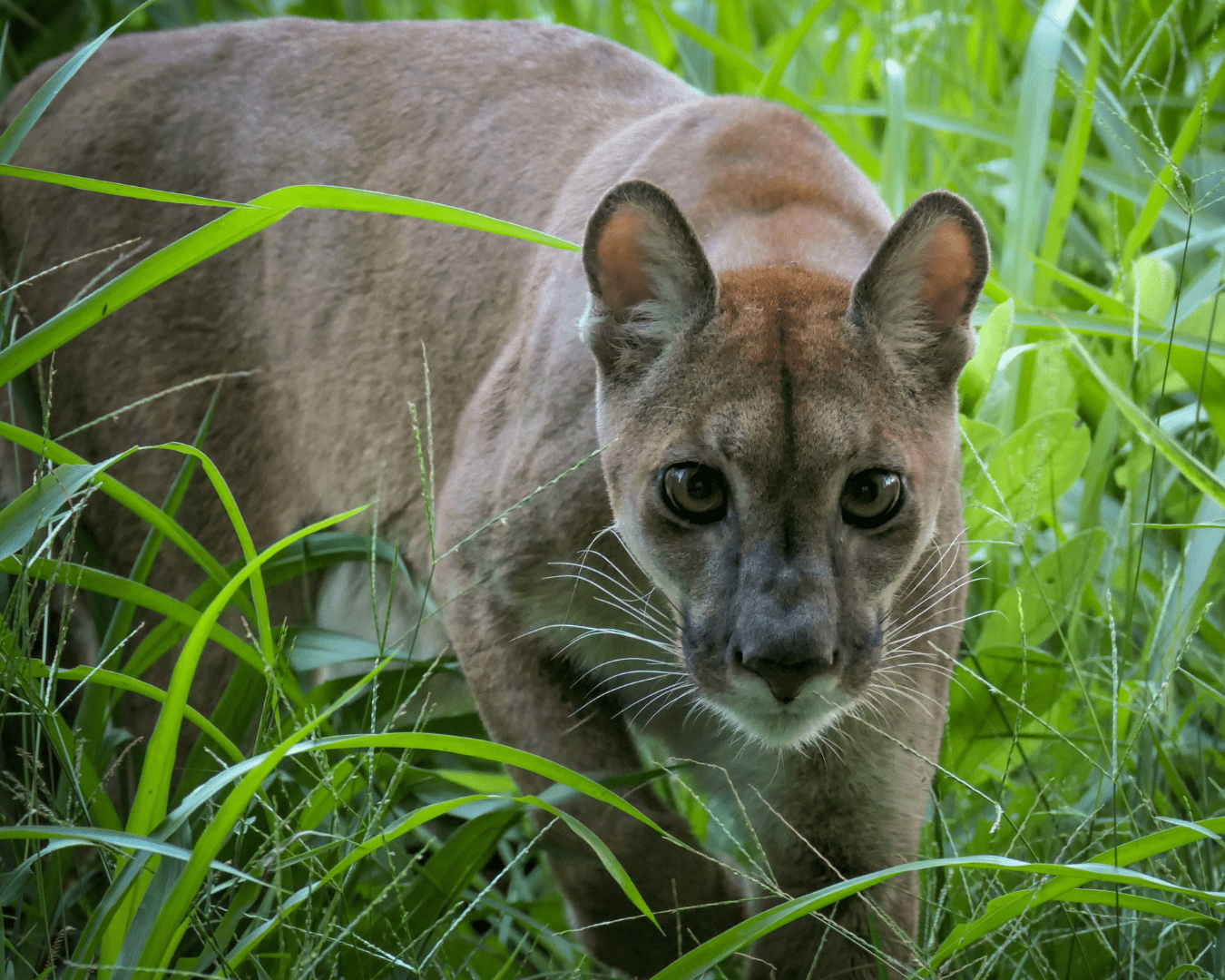
Located in the Pantanal, the Santa Sofia Reserve is part of a significant private ecological corridor focused on biodiversity conservation and ecosystem connectivity. Since 2021, it has been officially recognized by the Mato Grosso do Sul government as a wildlife release area.
Its Reintroduction Center features four enclosures designed for the rehabilitation and release of species such as big cats, primates, large birds, and ungulates. The reserve also conducts wildlife monitoring, participates in biodiversity inventories, and helps maintain the ecological services of the Pantanal biome.
São Benedito Reserve (PA)
Biome: Amazon | Area: 972.5 ha
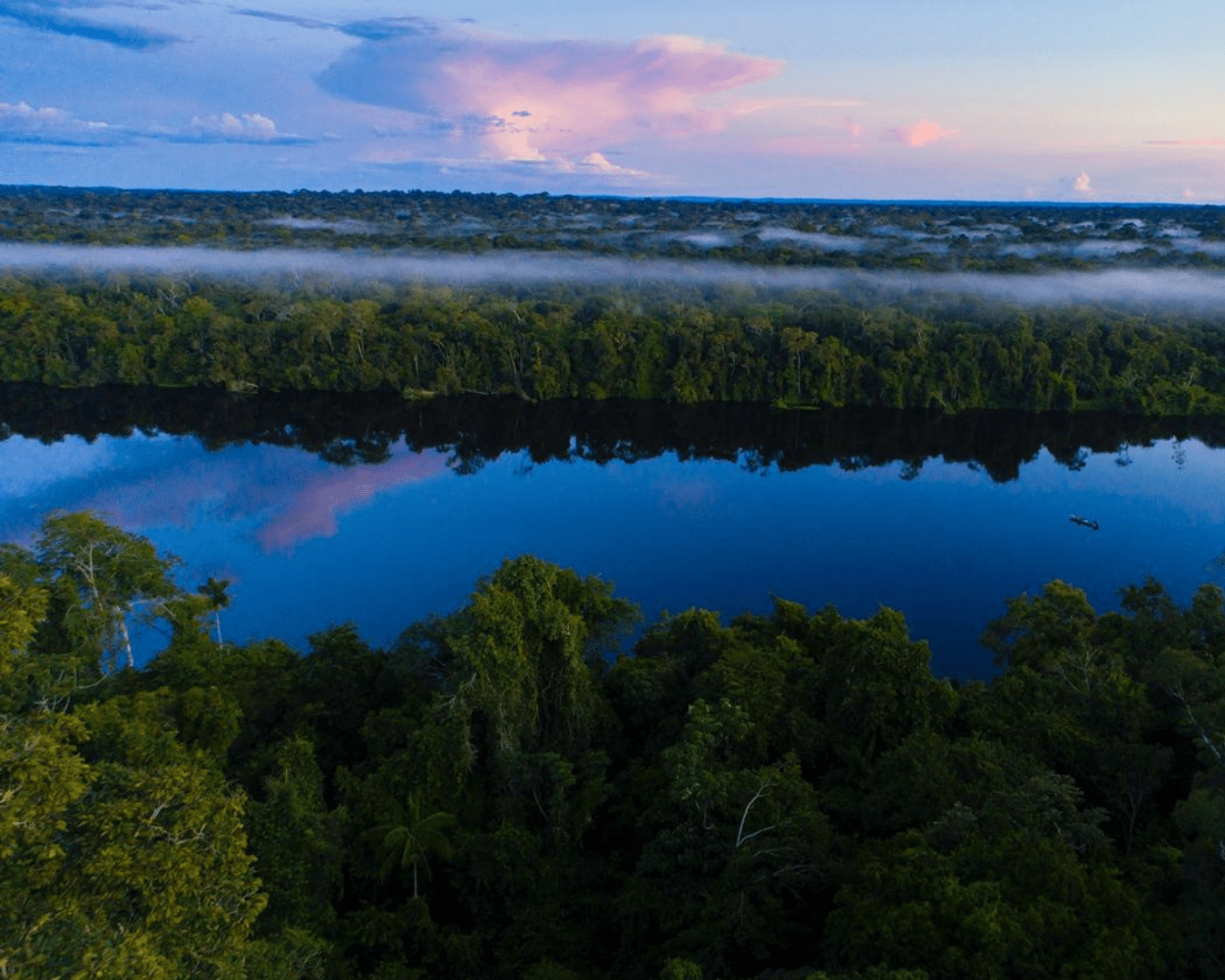
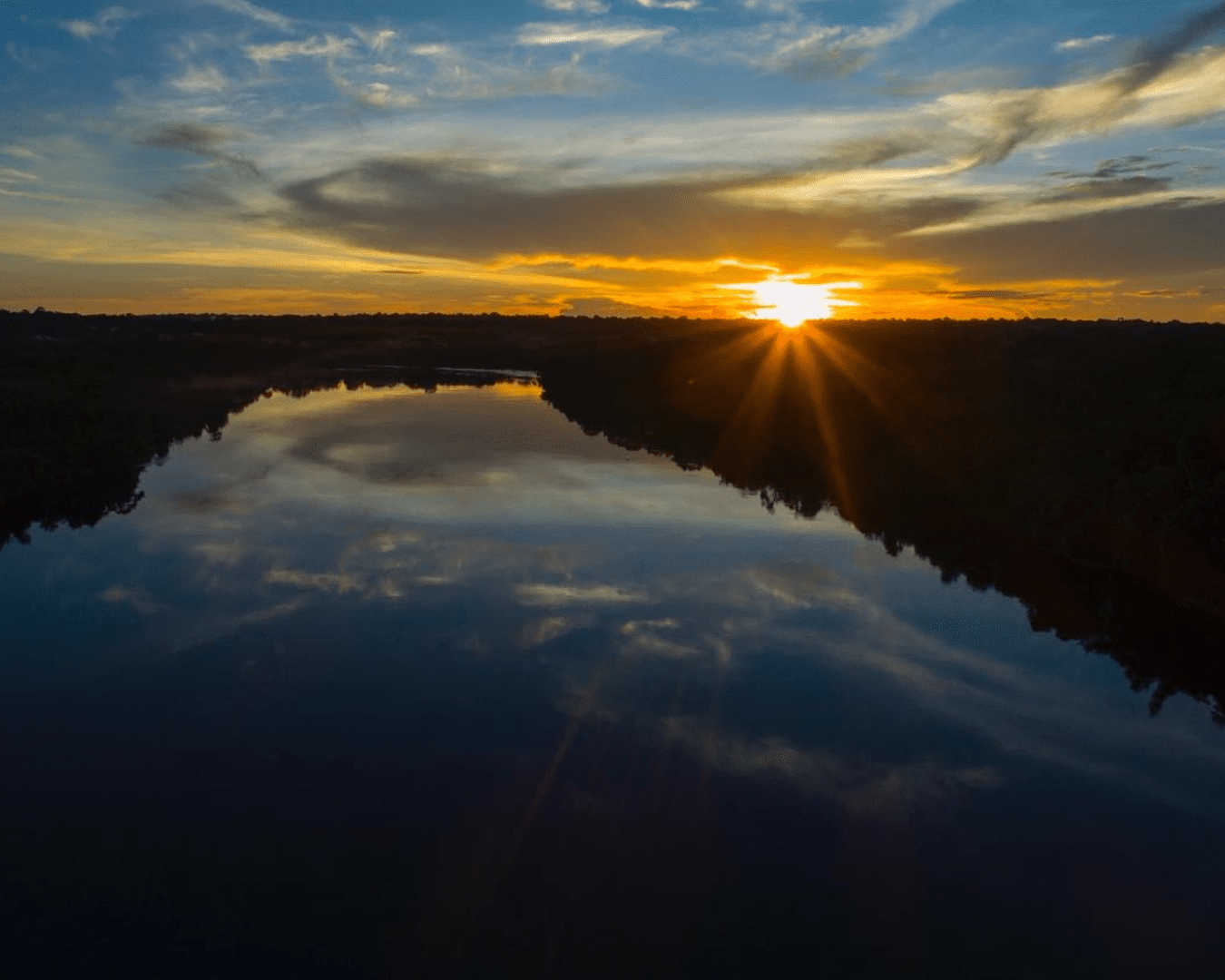
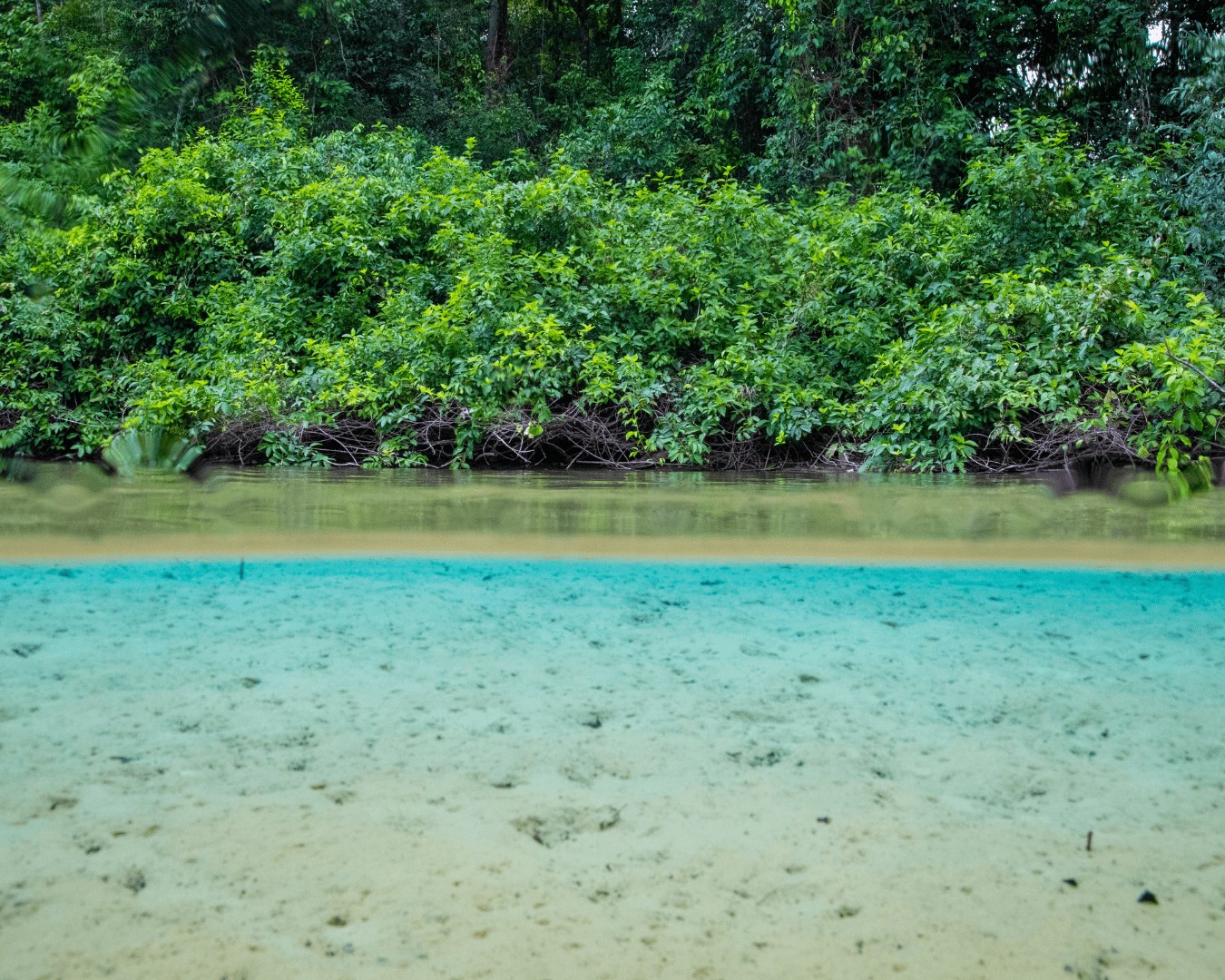
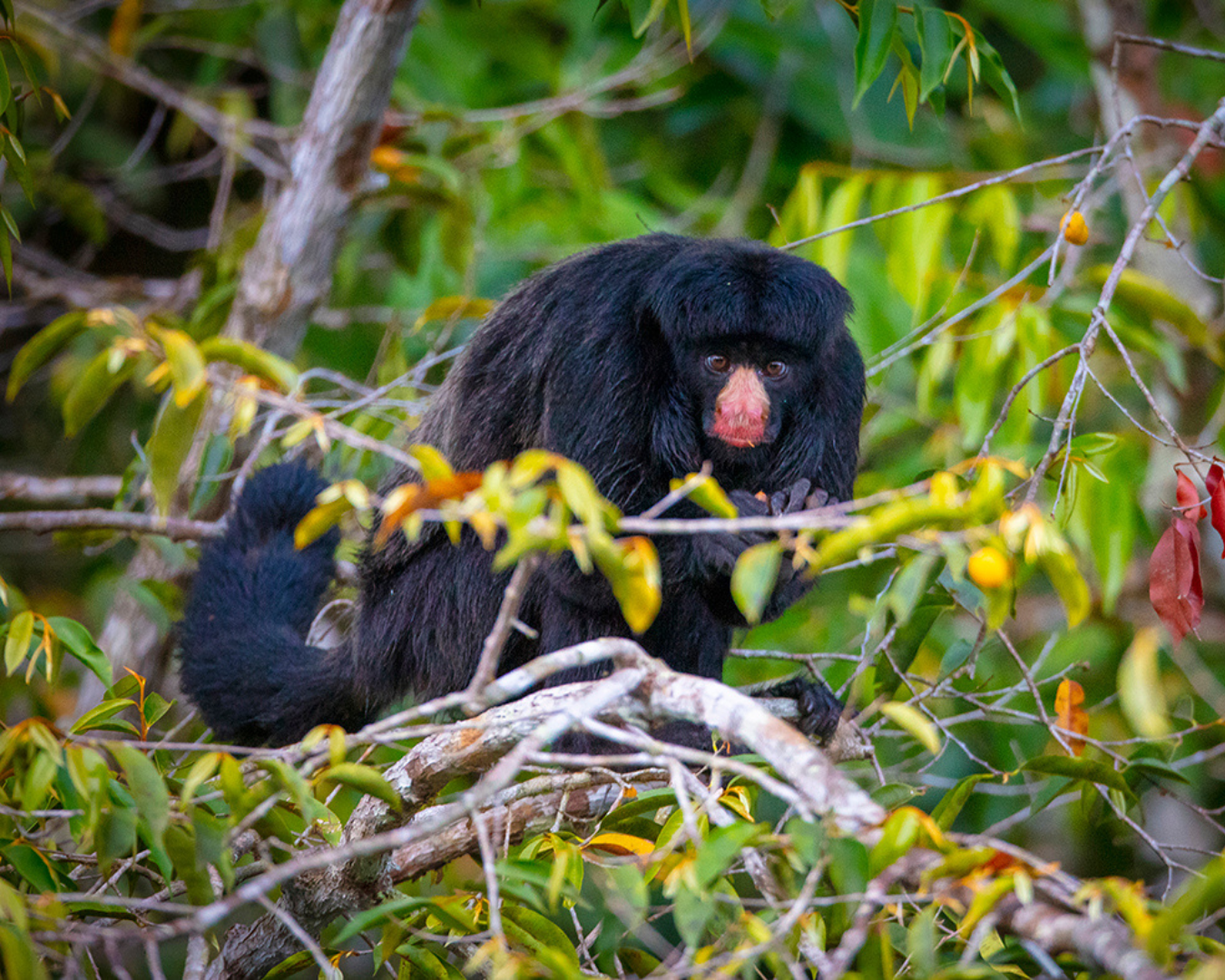
The São Benedito Reserve, in Jacareacanga (PA), is part of the São Benedito and Azul Rivers Wildlife Refuge (REVIS), established to protect endangered ecosystems and ensure the ecological integrity of the Amazon.
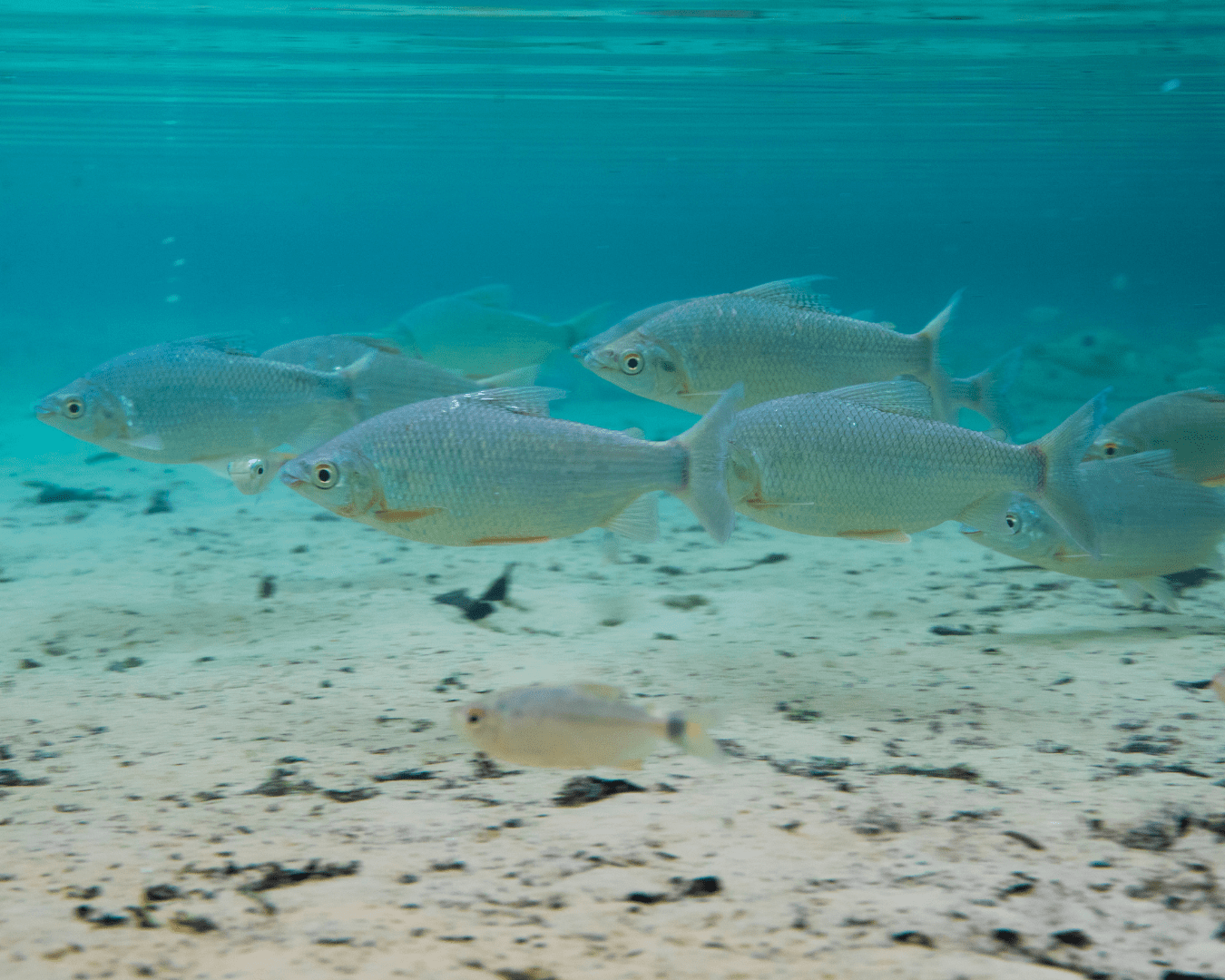
Strategically located between the Azul and São Benedito Rivers, the area is crucial for corridor formation, habitat connectivity, and watershed protection.
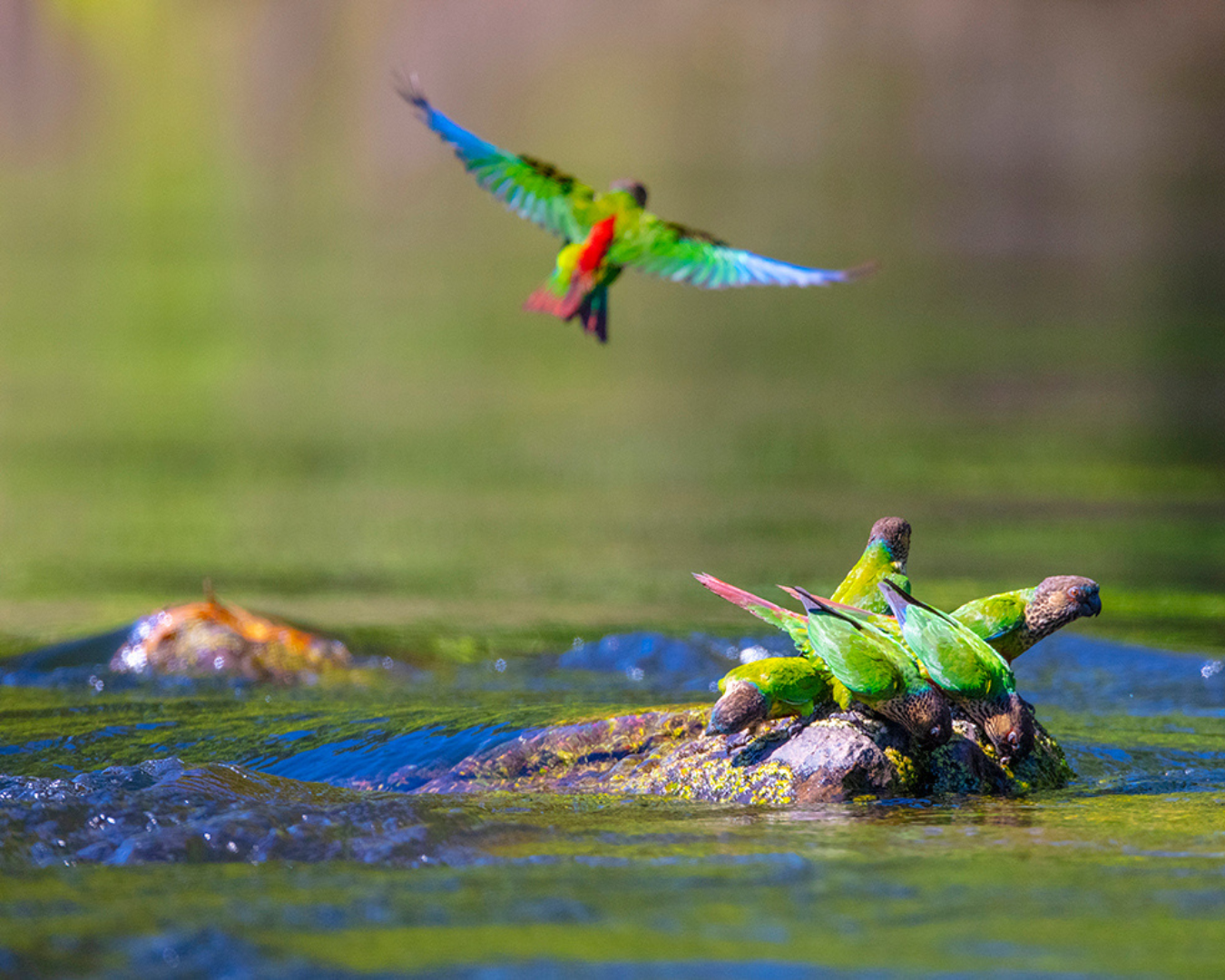
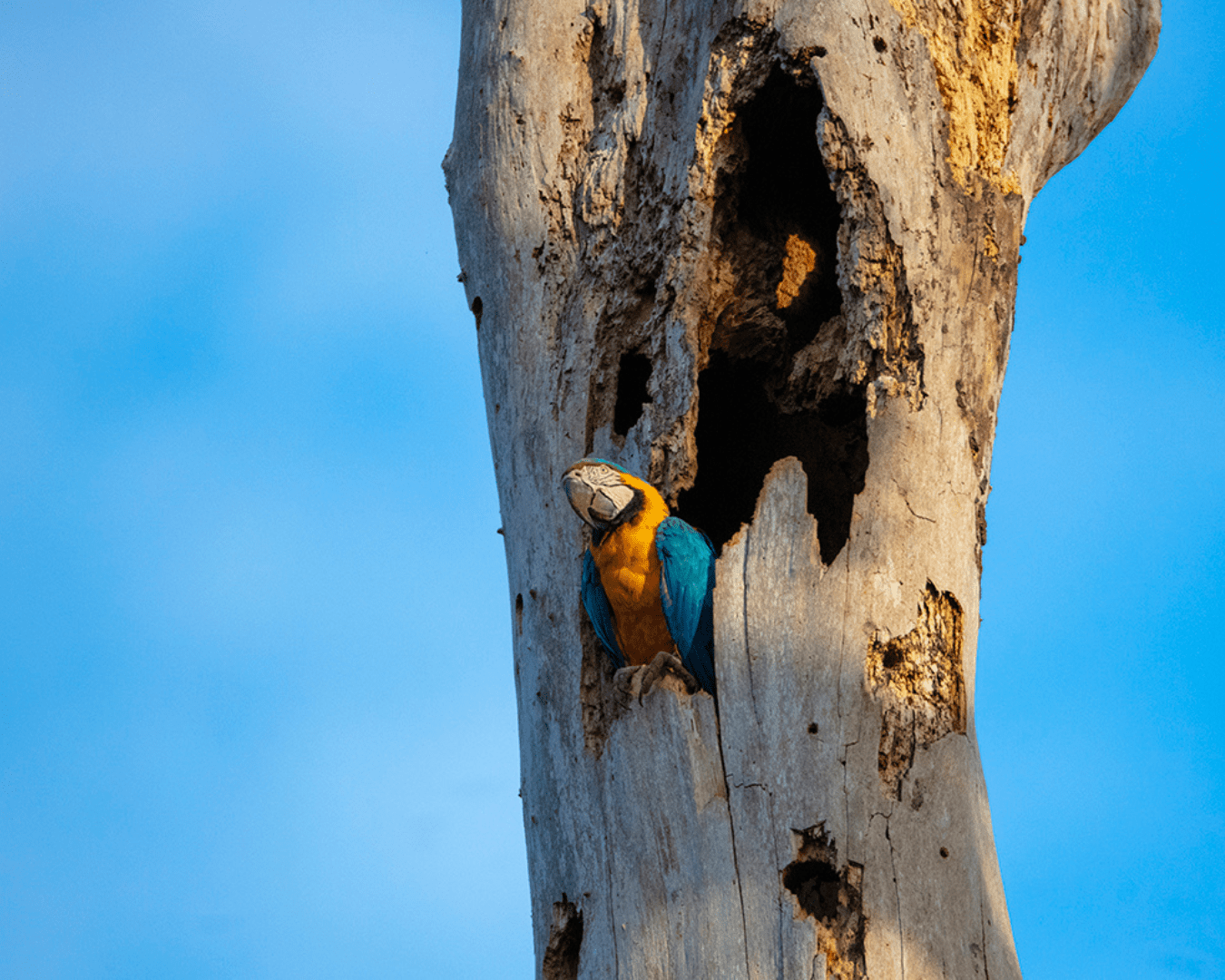
Its actions include wildlife monitoring, species rehabilitation and reintroduction, partnerships with landowners to create ecological corridors, protection of 150 km of rivers, and fire brigade training with local communities.
This work is carried out in collaboration with Instituto Onçafari, ICMBio, Rede ProUC, SEMAS, and IdeflorBio.
Rio Azul Reserve (PA)
Biome: Amazon | Area: 2,497 ha
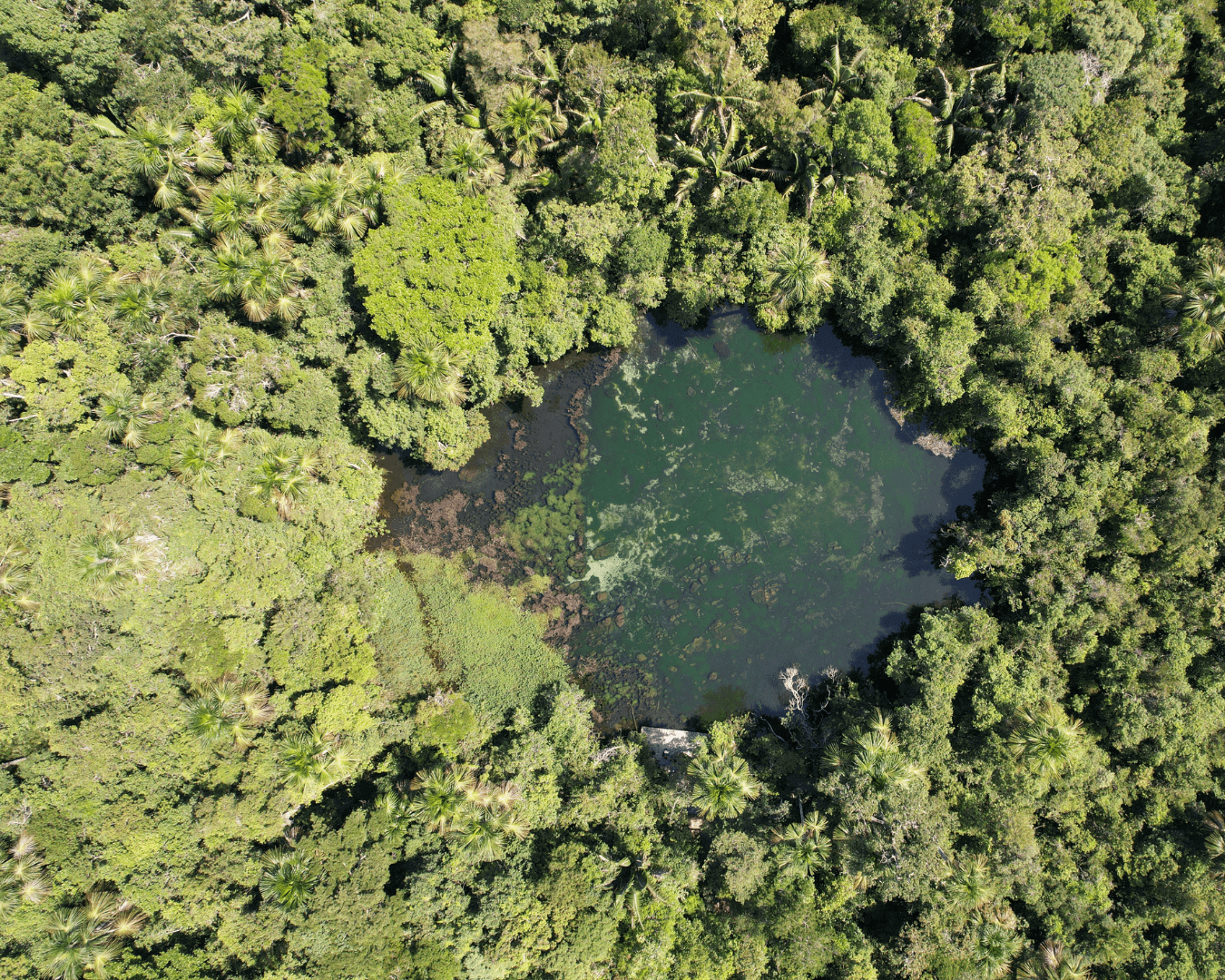
Located in Novo Progresso (PA), the Rio Azul Reserve lies within one of the most fragile frontiers of the Amazon — the Deforestation Arc. The area is part of the São Benedito and Azul Rivers Wildlife Refuge, a strictly protected conservation unit spanning over 30,000 hectares.
Embedded in a 3.3-million-hectare protected mosaic, which includes military areas, Indigenous lands, and national parks, the reserve acts as a natural barrier against deforestation advancing from Mato Grosso, helping to ensure the ecological stability of the region.